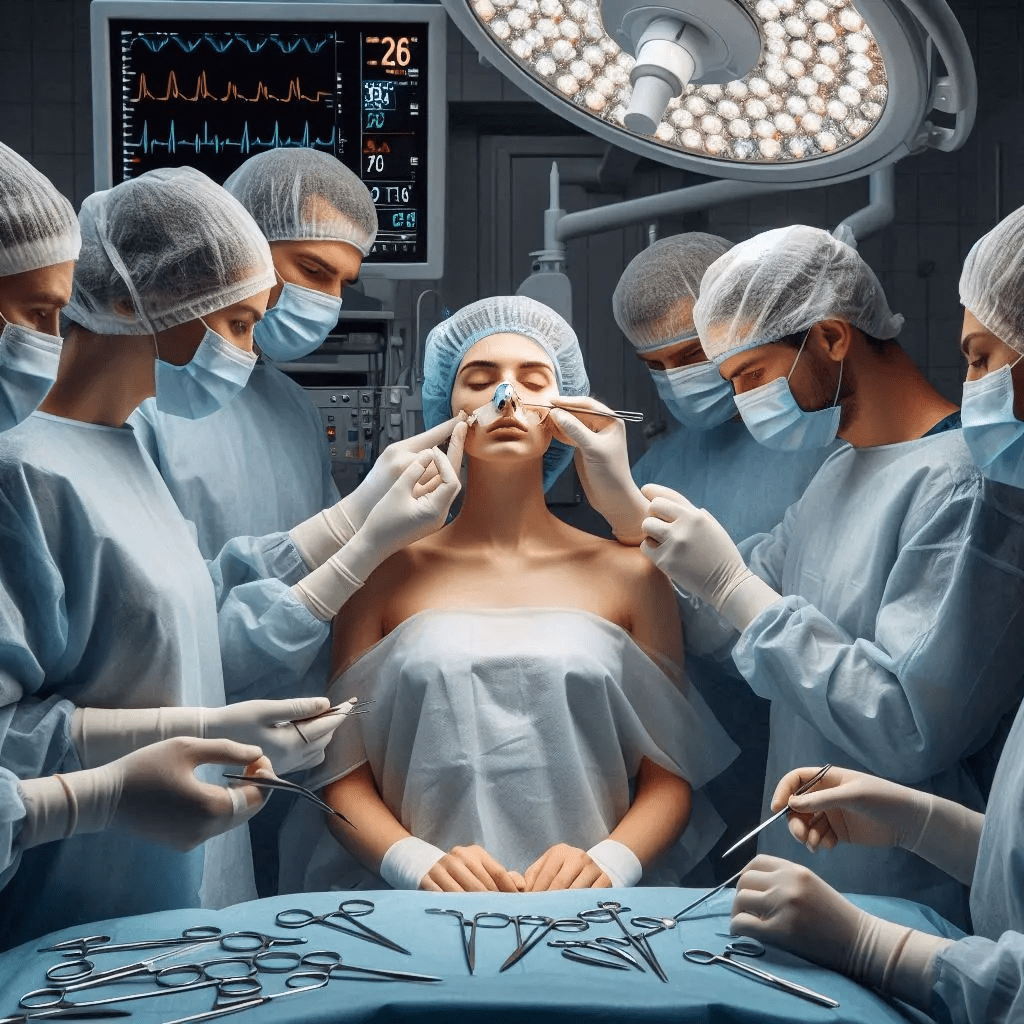
rhinoplasty surgery, commonly known as a nose job, is a surgical procedure designed to enhance the shape, size, and overall appearance of the nose. It can be performed for cosmetic reasons, to correct structural defects, or to improve breathing difficulties caused by nasal obstructions. This article will provide a thorough overview of rhinoplasty, including its benefits, types, procedure, recovery, and considerations for prospective patients.
What is Rhinoplasty?
Rhinoplasty is a plastic surgery procedure aimed at altering the nose’s structure. This can involve reshaping the cartilage and bone, adjusting the angle between the nose and upper lip, or even modifying the nostrils. It is one of the most common cosmetic procedures performed worldwide, appealing to individuals seeking to enhance their facial harmony and improve their self-esteem.
Reasons for Rhinoplasty
People opt for rhinoplasty for various reasons, including:
- Cosmetic Enhancement: Many individuals wish to correct perceived imperfections in the size or shape of their nose. This might include reducing a prominent hump, refining a bulbous tip, or achieving better facial symmetry.
- Functional Improvement: Rhinoplasty can also address medical issues, such as a deviated septum, which can obstruct airflow and lead to breathing difficulties. In such cases, the surgery can significantly improve respiratory function.
- Trauma Repair: Some patients undergo rhinoplasty to reconstruct their noses following an injury or accident that caused deformities.
- Congenital Defects: Others may seek rhinoplasty to correct congenital issues affecting the nose’s structure, leading to both aesthetic concerns and functional problems.
Types of Rhinoplasty
Rhinoplasty can be categorized into two main types:
- Open Rhinoplasty: This technique involves making an incision across the columella, the tissue that separates the nostrils. It allows for better visibility and access to the nasal structures, making it ideal for more complex cases.
- Closed Rhinoplasty: In this method, all incisions are made inside the nostrils, resulting in no visible scarring. This technique is typically used for minor adjustments and offers a shorter recovery time.
The Rhinoplasty Procedure
The rhinoplasty procedure typically takes one to three hours, depending on the complexity of the surgery. Here’s a step-by-step overview of what to expect:
- Consultation: The first step is a thorough consultation with a qualified plastic surgeon. During this meeting, patients discuss their goals, medical history, and any concerns. The surgeon will perform a physical examination of the nose and may take photographs for reference.
- Anesthesia: Rhinoplasty can be performed under general anesthesia or local anesthesia with sedation, depending on the extent of the surgery and the patient’s preference.
- Incision: Based on the chosen technique (open or closed), the surgeon will make the necessary incisions.
- Nose Reshaping: The surgeon will then reshape the nasal structures by removing, repositioning, or augmenting bone and cartilage. In some cases, grafting may be necessary to achieve the desired shape.
- Closure: After the desired adjustments are made, the incisions will be carefully closed with sutures. In some cases, splints may be applied to help maintain the new shape.
- Recovery: Patients will be taken to a recovery area where they are monitored as they wake from anesthesia. Once stable, they can usually go home the same day.
Recovery and Aftercare
Recovery from rhinoplasty varies among individuals, but most patients can expect some swelling, bruising, and discomfort during the initial healing period. Here are some essential aftercare tips:
- Follow Instructions: It’s crucial to follow the surgeon’s post-operative instructions closely to ensure optimal healing.
- Rest: Take adequate time off work and avoid strenuous activities for at least a few weeks.
- Manage Discomfort: Over-the-counter pain medication may be recommended to manage any discomfort.
- Avoid Nose Blowing: Patients should refrain from blowing their noses for at least a week to prevent complications.
- Monitor Swelling: Swelling may take several weeks to subside, with the final results becoming apparent after about six months to a year.
Risks and Considerations
As with any surgical procedure, rhinoplasty carries certain risks. These can include:
- Infection: Although rare, infections can occur and may require additional treatment.
- Scarring: Visible scarring can happen, particularly with open rhinoplasty, but skilled surgeons aim to minimize this.
- Nasal Obstruction: In some cases, breathing issues can arise if the nasal passages are altered too much.
- Dissatisfaction: There is always a risk that the results may not meet patient expectations, necessitating revision surgery.
Choosing a Surgeon
Selecting a qualified and experienced surgeon is critical for achieving satisfactory results. Prospective patients should:
- Research Credentials: Look for board-certified plastic surgeons specializing in rhinoplasty.
- Review Portfolios: Examine before-and-after photos of previous patients to assess the surgeon’s work.
- Read Reviews: Seek out patient testimonials and reviews to gauge overall satisfaction.
rhinoplasty surgery can significantly enhance both the appearance and functionality of the nose, offering transformative benefits for many individuals. As with any surgery, it’s essential to approach the decision thoughtfully, weighing the potential risks and benefits. By choosing a qualified surgeon and adhering to post-operative care, patients can achieve their desired outcomes and enjoy improved confidence and quality of life. If you’re considering rhinoplasty, consult a specialist to discuss your goals and explore the possibilities this surgery can offer.
 networkdigital.business.blog