There’s something quietly captivating about tennis. It’s not just the game—it’s the rhythm of the rally, the satisfying “thwack” of a well-hit ball, the little cloud of dust that rises off the court when you sprint. For anyone who’s ever thought about building a court at home or just wanted to understand what makes a space truly playable, it’s a mix of science, art, and patience. A tennis court is rarely just a rectangle of pavement; it’s a carefully crafted environment where every detail—from surface to surroundings—matters.
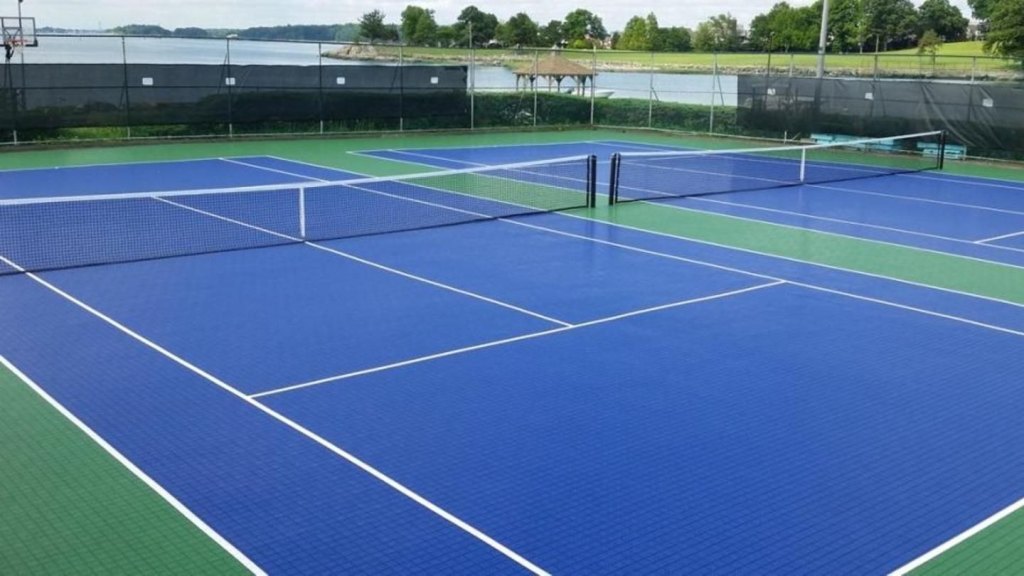
Even casual players notice it. Step onto a court that’s too hard, uneven, or poorly maintained, and the game changes instantly. And while it’s tempting to think “any flat space will do,” anyone who’s had a mis-hit or a sprained ankle knows that there’s more beneath the surface—literally. Understanding the right tennis court materials is crucial for anyone serious about creating a court that lasts and feels right underfoot.
Choosing the Right Materials
When it comes to surfaces, the choices are surprisingly wide, and each comes with trade-offs. Hard courts—usually asphalt or concrete coated with acrylic—are durable, require minimal maintenance, and provide a predictable bounce. Clay courts are slower, cushioning for joints, but they demand almost daily upkeep to stay playable. Grass courts are elegant and traditional, but weather can quickly make them inconsistent. Then there are synthetic or modular surfaces, which can mimic clay or grass while offering durability and lower maintenance.
It’s not just about speed and bounce. Different materials affect the impact on knees and ankles, the noise of the ball, even the way sunlight reflects off the surface. A family backyard court might prioritize durability and comfort over tournament-level speed, while a community facility might want a surface that can handle frequent play without deteriorating. Choosing your tennis court materials thoughtfully ensures that every game, from a casual rally to an intense match, feels satisfying.
Planning Your Outdoor Space
Next comes location. An outdoor tennis court isn’t just about putting a net in the yard—it’s about orientation, drainage, and accessibility. Ideally, courts should run north-south to reduce the glare of the sun during morning and evening matches. Shade from nearby trees is nice, but it brings leaves and roots that can interfere with the surface over time. Wind direction can also subtly affect play, so if you live in a particularly breezy area, it’s worth considering natural or artificial windbreaks.
Subtle grading is vital. Water pooling can ruin a match—or worse, damage your court permanently. Even a slight slope, planned during construction, helps water drain naturally and prolongs the life of the surface. And don’t forget fencing: it keeps stray balls in play and provides a sense of enclosure without feeling like a prison. Lighting is another often-overlooked detail. Evening matches are a joy, but glare or poorly placed fixtures can ruin the experience.
The Technical Side of Construction
Building a tennis court is deceptively complex. Beyond choosing your materials and site, the layers beneath the surface matter. Professionals carefully install a sub-base and base layer, ensuring stability and proper drainage, before applying the final surface. Sometimes cushioning layers are added to hard courts to reduce stress on knees and prevent fatigue. It’s a combination of engineering and intuition.
Even small miscalculations—a slightly uneven sub-base, a poorly compacted layer, or a thin coating of surface material—can affect ball behavior and durability. The right construction ensures that the court isn’t just playable today but will remain reliable for years. A well-constructed court can handle thousands of rallies without warping, cracking, or becoming a hazard.
Maintenance: Keeping Your Court in Shape
Once your court is ready, maintenance becomes the ongoing task that separates a good court from a great one. Hard courts may need resurfacing every few years. Clay courts demand regular rolling, watering, and line upkeep. Synthetic surfaces, while lower-maintenance, still benefit from cleaning and inspection.
Neglecting maintenance isn’t just cosmetic—it affects playability and safety. Cracks, moss, or debris can change how the ball bounces and even make the court slippery. There’s a rhythm to maintenance, almost like caring for a garden. Sweeping leaves, inspecting nets, and ensuring proper drainage may feel tedious, but it keeps your court ready for spontaneous matches and reduces long-term repair costs.
Personalizing Your Court
What makes a tennis court truly special is how it feels to the people using it. Beyond the technical specifications, small choices can transform a space. Seating, shade, fencing style, and even color schemes can affect how inviting and enjoyable the court feels. For some, it’s a backyard retreat where the family practices serves; for others, it’s a competitive space that must handle tournaments and daily play.
Even subtle touches make a difference. Some courts include built-in seating areas for friends to watch or a small pergola for shade. Landscaping around the court can soften the hard lines of asphalt or concrete and make the area feel integrated into the yard. A thoughtful outdoor tennis court doesn’t just exist; it welcomes players, spectators, and casual enjoyment alike.
The Joy Beyond the Game
A well-designed court isn’t just about mechanics—it’s about moments. There’s a quiet satisfaction in nailing that first serve of the day, laughing through a long rally, or sharing a playful match with neighbors. A quality court encourages activity, connection, and a little friendly competition.
When you step onto a court built with care—using the right outdoor tennis court , thoughtful construction, and smart placement—you notice the difference immediately. Movements feel natural, the ball behaves predictably, and the environment just works. It’s more than asphalt, clay, or synthetic layers—it’s a stage for stories, memories, and little victories.
Conclusion: More Than a Rectangle
Building a tennis court is part science, part craft, and part love for the game. Every decision, from choosing your materials to deciding on the slope and placement, matters. The right outdoor tennis court isn’t just playable; it’s enjoyable, safe, and enduring. It can become a sanctuary, a neighborhood gathering spot, or simply a personal escape where the stresses of the day melt away with each rally.

