There’s something undeniably special about stepping onto a tennis court. Whether it’s the crisp morning air, the faint squeak of sneakers on the surface, or the satisfying ping of a perfectly struck ball, courts have a way of pulling you in. But anyone who’s ever dreamed of building their own private space quickly realizes it’s not as simple as rolling out some asphalt and painting lines. There’s a lot more thought involved than meets the eye.
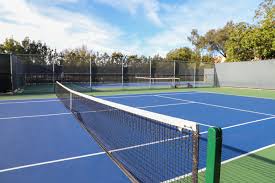
When you think about it, a tennis court isn’t just a playing area—it’s a tiny ecosystem. Every detail, from the surface to the surrounding landscaping, affects how it feels, plays, and even ages over time. And one of the first questions people ask is: “What’s the right tennis court size ?”
The Basics of Tennis Court Size
It might seem obvious at first glance, but dimensions matter more than most casual players realize. Officially, a standard tennis court for doubles play is 78 feet long and 36 feet wide. Singles courts are a bit narrower at 27 feet wide. That’s just the playing area, though—once you factor in run-off space, fencing, and walkways, you’re looking at a much bigger footprint.
Why does size matter so much? Well, it affects everything from player comfort to game strategy. A court that’s too tight feels cramped, and you’ll notice it the moment you chase down a wide volley. Too much extra space, and you’re spending more time running than actually hitting balls. It’s a delicate balance, and it’s worth planning carefully before any digging begins.
Most private courts follow a standard of about 120 feet by 60 feet overall, including margins. That gives players enough room for realistic movement and avoids frequent trips over boundaries. It might seem like overkill for casual backyard use, but trust me—it makes a difference.
Understanding the Different Court Surfaces
Once the dimensions are set, the next big decision is surface material. There’s a lot of debate about which surface is “best,” but really, it comes down to preference and practicality.
Hard courts are the most common, known for consistent bounces and relatively low maintenance. Clay courts, on the other hand, slow the game down and are easier on the knees, but they demand regular watering and rolling to stay playable. Grass is beautiful and fast, but it’s high-maintenance and can be temperamental in rainy climates.
And then there are modern synthetic surfaces. Some of them provide extra cushioning, which is fantastic if you or your family plan to play frequently. Others offer a modular design that allows for quick repairs, which can be a lifesaver if something gets damaged. Each surface comes with trade-offs in cost, upkeep, and performance.
No matter what you pick, remember: the surface defines the playing experience. A little extra research now saves headaches later.
Planning Your Tennis Court
A well-built court doesn’t just appear overnight. It starts with careful planning. Beyond dimensions and surface, there’s grading, drainage, and accessibility to consider. Water pooling on a court is a silent killer—it damages surfaces and creates dangerous playing conditions. So proper slope and drainage systems are non-negotiable.
Think about lighting too. A court tucked in a shady backyard might look pretty, but without adequate illumination, evening play is impossible. And yes, fencing is more than a formality—it keeps balls in play, provides safety, and can even add a sense of privacy.
I can’t stress enough how much a thoughtful site plan matters. Even the best tennis court can be ruined by poor placement or inadequate drainage.
Maintenance: Keeping the Court Alive
Here’s a truth nobody likes to admit: every tennis court needs maintenance. Hard courts require periodic cleaning and resurfacing. Clay courts demand rolling, watering, and regular line upkeep. Grass? Well, that’s practically a full-time gardening job.
Maintenance isn’t just about aesthetics. A well-kept court plays better and lasts longer. Neglect it, and even the most expensive surfaces can crumble in a few seasons. It’s easier to factor in a modest annual upkeep plan than to deal with a major repair later.
The key is consistency. Little efforts, like sweeping debris, checking for cracks, or ensuring drainage is clear, pay huge dividends in the long run.
Adding Personal Touches
While performance is critical, don’t overlook the personality of your court. You can choose colors, lines, or even add a custom logo to make it feel like it belongs to your space. Wind screens, benches, and subtle landscaping all contribute to a welcoming environment.
If it’s a family court, consider shaded seating or a small water station. For clubs or schools, branding elements can create pride and identity. These little touches don’t affect play directly but significantly enhance the experience.
Budgeting Wisely
Building a court is a significant investment. Most people focus on construction costs, but smart budgeting goes beyond that. Include fencing, lighting, seating, and long-term maintenance when calculating expenses. High-quality materials may seem pricey upfront but often save money over the years due to reduced repairs and resurfacing needs.
It’s like buying a reliable car—you spend a little more initially, but you avoid constant breakdowns. A durable court saves stress and keeps players coming back.
Thinking Ahead
One thing many court owners overlook is future flexibility. Who will use it in five or ten years? Will you host tournaments or casual weekend matches? Will kids need a junior-friendly area?
Building with foresight ensures your court continues to serve your needs as they evolve. Experienced contractors often know the latest technology and surface innovations that improve performance and longevity. Partnering with professionals who stay current can make a huge difference.
The Joy of Playing
At the end of the day, all these decisions—size, surface, drainage, maintenance—lead to one thing: playability. A well-planned court transforms a backyard or facility into a space of joy, competition, and connection.
There’s something inherently satisfying about hitting that first serve on a brand-new surface. The court feels alive, responsive, and inviting. It’s a space where you can challenge yourself, teach someone new, or simply unwind.
Final Thoughts
A tennis court is more than lines and nets—it’s a combination of engineering, aesthetics, and personal touch. Paying attention to the right tennis court size, surface, drainage, and maintenance creates an environment where the game can truly shine.

