If you’ve been driving for a few years—maybe a decade or more—you probably remember how easy number plates used to be. Walk into a small shop, tell the person your vehicle number, and within ten minutes you’d walk out with a freshly printed plate. No paperwork, no digital trail, just a quick transaction and you were back on the road.
Back then, nobody really thought twice about it.
But as traffic increased and cities became denser, the little number plate on the front and back of every vehicle started carrying more responsibility than anyone expected. Authorities began realizing that this simple piece of metal was actually the key to identifying millions of vehicles moving through highways, toll booths, and crowded intersections every day.
That realization slowly led to the introduction of High Security Registration Plates, often called HSRP plates. They didn’t arrive with much drama. No huge announcements that everyone remembers. Just a gradual shift toward a safer, more standardized system.
And like many quiet policy changes, people only started noticing it when they had to update their own vehicle.
Why India Needed a New Number Plate System
Traditional number plates had one major weakness: they were easy to replicate. Too easy, in fact.
Anyone could make a duplicate plate using basic equipment. For honest drivers, that wasn’t a problem. But for people trying to disguise stolen vehicles or avoid traffic penalties, it created a loophole.
Traffic cameras were also becoming more common in cities. These systems rely on reading number plates automatically, but inconsistent fonts, decorative designs, and uneven spacing made that job harder than it should have been.
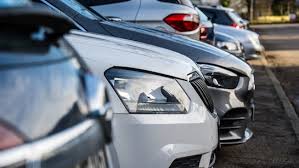
HSRP plates were introduced to fix those problems.
They follow a standardized format across the country and include built-in security features. A chromium hologram confirms authenticity. A laser-etched serial number permanently marks the plate with a unique code tied to the vehicle’s registration record. And the plates are fixed using snap-lock fasteners designed to prevent easy removal.
In simple terms, they’re built to stay exactly where they’re installed.
What Makes These Plates “High Security”
At first glance, an HSRP plate doesn’t look dramatically different from an older one. It still carries the same letters and numbers identifying the vehicle.
But the differences appear when you look closely.
The reflective aluminum material improves visibility at night, which helps traffic cameras capture numbers more accurately. The hologram embedded on the plate confirms that it was issued by an authorized manufacturer. And the laser engraving ensures the plate’s identity remains permanent, even after years of exposure to weather.
There’s also the snap-lock system. Instead of ordinary screws that can be removed with a simple screwdriver, these locks secure the plate in a way that makes tampering difficult.
All of this together creates a plate that’s harder to copy, harder to remove, and easier for authorities to verify.
It’s a small upgrade with surprisingly big benefits.
The Online Booking Shift
One thing that has made the transition smoother is the way the registration process has moved online.
Anyone who remembers the old days of regional transport offices probably recalls the long lines, paperwork confusion, and occasional frustration of navigating multiple counters. Administrative tasks related to vehicles often felt like a full-day commitment.
Now things are different.
Today, drivers looking to book my hsrp maharashtra installation usually start with a simple online search that leads them to the official booking portal. From there, the process becomes fairly straightforward: enter vehicle details, select a nearby installation center, and choose an appointment slot that fits your schedule.
The required details are basic—vehicle registration number, chassis number, and engine number. All of them can be found on your vehicle’s registration certificate.
Most people finish the booking in less than fifteen minutes.
It’s one of those rare cases where technology genuinely simplifies a government process.
What Happens When You Visit the Fitment Center
The installation appointment itself tends to be quick and uncomplicated.
You arrive at the selected fitment center with your vehicle and booking confirmation. The technicians first verify the vehicle details to make sure everything matches the registration records.
Then the old plates are removed.
The new HSRP plates are installed using specialized snap locks, which secure them firmly to the vehicle. Along with the plates, a small color-coded sticker is placed on the windshield. This sticker indicates the vehicle’s fuel type—petrol, diesel, CNG, or electric—and includes registration details used during inspections.
Most installations take around fifteen to twenty minutes.
Once it’s done, the vehicle meets the required security standards.
Different States, Same Goal
While the HSRP system is national, the booking platforms sometimes vary from state to state. Each region works with authorized vendors responsible for manufacturing and installing the plates.
For instance, drivers trying to book my hsrp telangana typically go through a state-approved portal where they can enter vehicle information and schedule their appointment. The steps remain largely identical to other states, even if the websites look slightly different.
This state-level management helps ensure the system operates smoothly while still following a national standard for vehicle identification.
In the end, every plate serves the same purpose: making vehicles easier to identify and harder to misuse.
The Cost and Why It’s Usually Reasonable
Some drivers initially worry that high-security plates might be expensive because of their advanced features. In reality, the cost is fairly moderate.
Motorcycles and scooters usually cost less because the plates are smaller. Cars cost slightly more due to larger plates and additional components. The fee typically covers manufacturing, laser engraving, and installation at an authorized center.
For most vehicle owners, it’s a one-time expense that ensures compliance with modern vehicle regulations.
And once installed, the plate lasts for years without requiring replacement.
A Small Detail With a Big Impact
It’s interesting how a tiny detail like a number plate can quietly influence an entire transportation system.
Standardized plates allow traffic cameras to read numbers more accurately. They help authorities track stolen vehicles more quickly. They also reduce the chances of fake registrations appearing on the road.
Drivers may not notice these improvements every day, but they contribute to a more organized and secure road network.
Sometimes progress isn’t loud or dramatic—it simply blends into everyday life.
Final Thoughts
Every vehicle owner eventually learns that driving comes with responsibilities. Regular maintenance, insurance renewals, and occasional compliance updates are all part of keeping a vehicle road-ready.
Upgrading to an HSRP plate is just another step in that journey.
The good news is that the process today is straightforward. Online booking takes only a few minutes, and installation usually takes less than half an hour.
After that, the vehicle carries a plate that’s not just a piece of metal—but a small part of a larger system designed to keep roads safer, records accurate, and transportation networks running smoothly across the country.
 networkdigital.business.blog