For a long time, the phrase “HSRP number plate” floated around like background noise in conversations about vehicles. You’d hear it while renewing insurance, during a casual chat at a mechanic’s shop, or from a friend who recently paid a traffic fine. Most of us nodded along without really digging into what it meant.
But somewhere along the way, it stopped being optional. State governments across India began pushing more seriously for High Security Registration Plates on vehicles that were registered before the newer system came in. And suddenly, people who had been driving the same car or bike for ten years found themselves looking up how to apply for a new number plate.
The good news? The process isn’t as complicated as it sounds. In fact, once you understand the basics, it’s fairly manageable — a little online form, a scheduled appointment, and a quick visit to a fitting center. That’s usually it.
Still, many vehicle owners delay the process simply because they’re unsure how it works. So let’s break it down in a way that actually makes sense.
What Makes an HSRP Plate Different?
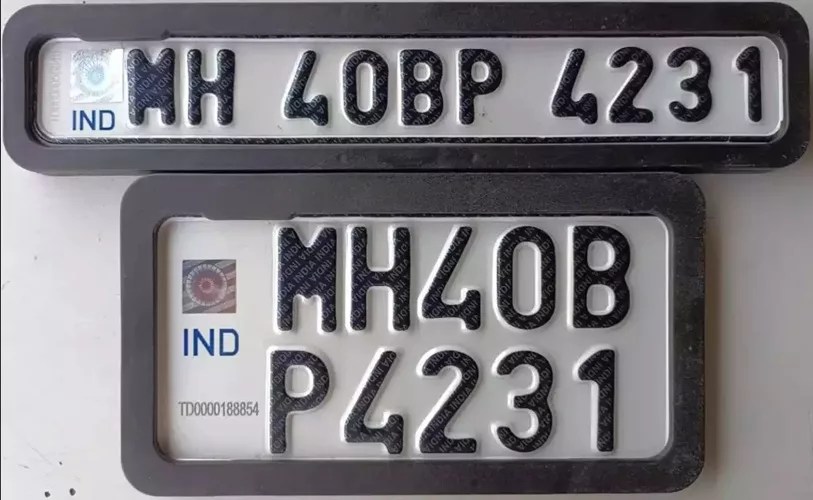
At first glance, an HSRP plate might look like any other number plate. White background, black characters — nothing revolutionary. But there’s a lot going on beneath that simple design.
HSRP plates are made of aluminum and come with several built-in security features. They include a chromium-based hologram, a unique laser-etched identification number, and a special non-removable lock that attaches the plate to your vehicle. Once installed, it can’t easily be removed or swapped.
Why does this matter? Because standard number plates were easy to duplicate or manipulate. With HSRP, every plate is linked directly to a vehicle in a central database.
That means if a vehicle is stolen or used in illegal activity, authorities can track it more easily. In simple terms, it’s a move toward better vehicle security and nationwide standardization.
Not the most exciting topic in the world, perhaps — but definitely a practical one.
Why Older Vehicles Need to Upgrade
Vehicles registered after April 2019 usually came with HSRP plates directly from the dealer. The real focus now is on older vehicles.
If your car or motorcycle was registered before that date, there’s a good chance you still have the traditional number plate issued by the dealership or local vendor.
Transport departments across several states have started asking owners of these vehicles to switch to HSRP. Some states have even introduced penalties for not upgrading.
This has led many people to search online for how to book my hsrp number plate appointment without having to deal with unnecessary paperwork or long queues.
And honestly, that’s where online booking has made life much easier.
The Online Booking Process (It’s Actually Simple)
The idea of government forms can make anyone sigh. But this particular process is surprisingly straightforward.
Most official booking portals only require a few basic details:
- Vehicle registration number
- Chassis number (usually the last five digits)
- Owner name
- Mobile number for OTP verification
Once these details are entered, the system fetches your vehicle information from the database.
From there, you choose a nearby fitment center and select an available appointment slot. After completing the payment online, you receive a confirmation message with your appointment details.
That’s pretty much the entire booking process.
No complicated forms. No repeated office visits.
Of course, the exact portal may vary depending on your state, but the overall process remains more or less the same everywhere.
A Quick Note for Vehicle Owners in Uttar Pradesh
If you live in Uttar Pradesh, the demand for HSRP upgrades has been particularly high. With millions of older vehicles on the road, authorities have been actively encouraging owners to complete the installation.
Many residents search online for ways to book my hsrp up appointment quickly, especially when new deadlines are announced.
The best approach is to use an authorized portal connected with the state transport department or an approved vendor. These platforms allow you to schedule your installation at a designated center near your location.
Appointments typically fill up quickly during enforcement drives, so booking earlier usually means more flexibility with time slots.
In other words, the sooner you schedule it, the less stressful the whole process becomes.
What Happens at the Fitment Center
The appointment day is usually the easiest part.
You arrive at the selected center with your vehicle and booking confirmation. A technician verifies your vehicle details and installs the HSRP plates using special snap locks.
These locks are designed so the plates cannot be removed without damaging them — which is exactly the point.
The whole installation process usually takes around fifteen minutes. Sometimes a little longer if the center is busy, but rarely more than half an hour.
During the same visit, the technician may also apply a color-coded fuel sticker on your windshield. This sticker indicates whether the vehicle runs on petrol, diesel, CNG, or electric power.
Once that’s done, you’re officially compliant with the current regulations.
Small Mistakes That Cause Big Delays
While the process is simple, small errors can create unexpected headaches.
For example, entering the wrong chassis number during booking is surprisingly common. Even a single incorrect digit can prevent the system from verifying your vehicle details.
Another issue is missing the appointment slot. Many centers run on tight schedules, and late arrivals may have to rebook another appointment.
It’s also smart to double-check your vehicle registration details before submitting the booking form. A two-minute review can save a lot of frustration later.
Is There a Deadline?
Deadlines tend to vary depending on the state and enforcement campaigns.
Some states introduce phased deadlines based on vehicle registration numbers. Others enforce fines during traffic checks if the vehicle does not have an HSRP installed.
Either way, the trend is pretty clear — authorities want all vehicles on the road to eventually shift to this system.
So even if enforcement isn’t strict in your city right now, it probably will be sooner or later.
Getting it done early simply removes the worry from your to-do list.
Final Thoughts
Let’s be honest. Most of us don’t wake up excited about vehicle compliance tasks. They usually fall into the same category as renewing insurance or updating KYC details — necessary but easy to postpone.

