In today’s rapidly advancing world of electronics and automation, intelligent systems are becoming increasingly common in homes, industries, and smart cities. Two essential components that play a vital role in automation projects are the ldr sensor and the motor controller. These components enable systems to respond to environmental changes and control mechanical movements efficiently. Understanding how they work and how they can be integrated is crucial for engineers, hobbyists, and students interested in embedded systems and robotics.
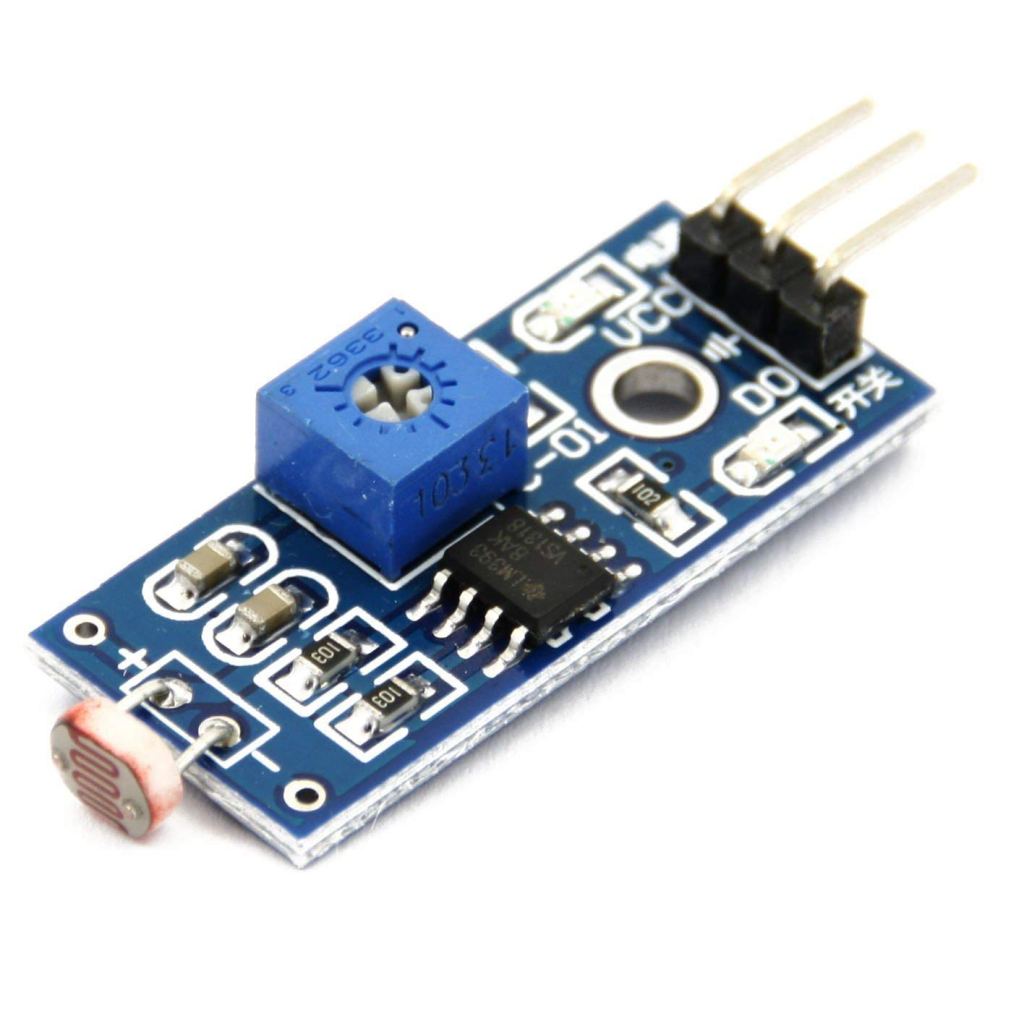
Understanding LDR Sensors
An LDR (Light Dependent Resistor) sensor is an electronic component whose resistance changes based on the intensity of light falling on it. When exposed to bright light, the resistance decreases, and in darkness, the resistance increases. This simple yet powerful behavior allows LDR sensors to detect light levels and trigger actions accordingly.
LDR sensors are widely used in applications such as automatic street lighting systems, light-sensitive alarms, and brightness control in displays. For example, in a street lighting system, the LDR detects the absence of sunlight at dusk and automatically turns on the lights, saving energy and reducing manual intervention.
The working principle of an LDR is based on photoconductivity. When photons hit the sensor surface, they transfer energy to electrons, allowing them to move freely and conduct electricity. This change in conductivity is then interpreted by a microcontroller or circuit to perform specific actions.
Role of Motor Controllers
A motor controller is another essential component in automation systems. It is responsible for regulating the operation of electric motors by controlling parameters such as speed, direction, and torque. Motor controllers act as an interface between the control system (like a microcontroller) and the motor.
Motor controllers are used in a variety of applications, including robotics, conveyor belts, electric vehicles, and home automation systems. They ensure smooth and efficient motor operation while protecting the motor from overload and damage.
There are different types of motor controllers, such as DC motor controllers, AC motor controllers, and stepper motor drivers. Each type is designed for specific motor requirements. For instance, DC motor controllers are commonly used in small robotics projects, while AC motor controllers are used in industrial machinery.
Integration of LDR Sensor and Motor Controller
Combining LDR sensors with motor controllers opens up a wide range of automation possibilities. For example, consider a solar tracking system. In this setup, LDR sensors detect the direction of maximum sunlight, and the motor controller adjusts the position of solar panels accordingly. This ensures maximum energy absorption throughout the day.
Another practical application is in automatic window blinds. An LDR sensor can detect sunlight intensity, and based on the readings, the motor controller can open or close the blinds automatically. This not only enhances comfort but also improves energy efficiency in buildings.
In robotics, LDR sensors can help robots navigate based on light sources, while motor controllers drive the movement of wheels or arms. This combination allows for intelligent and responsive robotic behavior.
Advantages of Using These Components
The integration of LDR sensors and motor controllers offers several advantages. First, it enables automation, reducing the need for human intervention. Second, it improves energy efficiency by ensuring systems operate only when needed. Third, it enhances accuracy and responsiveness in various applications.
Additionally, these components are cost-effective and easy to implement, making them ideal for beginners and professionals alike. With the rise of IoT (Internet of Things), their importance in smart systems continues to grow.
Conclusion
In conclusion, LDR sensors and motor controllers are fundamental building blocks of modern automation systems. While LDR sensors provide environmental awareness through light detection, motor controllers enable precise control of mechanical movements. Together, they create intelligent systems capable of adapting to changing conditions. Whether used in simple home projects or complex industrial setups, these components play a crucial role in shaping the future of smart technology.
 networkdigital.business.blog