In modern automation and electronics, sensing technology plays a critical role in improving efficiency, safety, and precision. Among the most widely used sensing devices are proximity sensor and proximity switch sensors. These devices are essential in industries ranging from manufacturing to consumer electronics, enabling machines to detect objects without physical contact.
What is a proximity sensor?
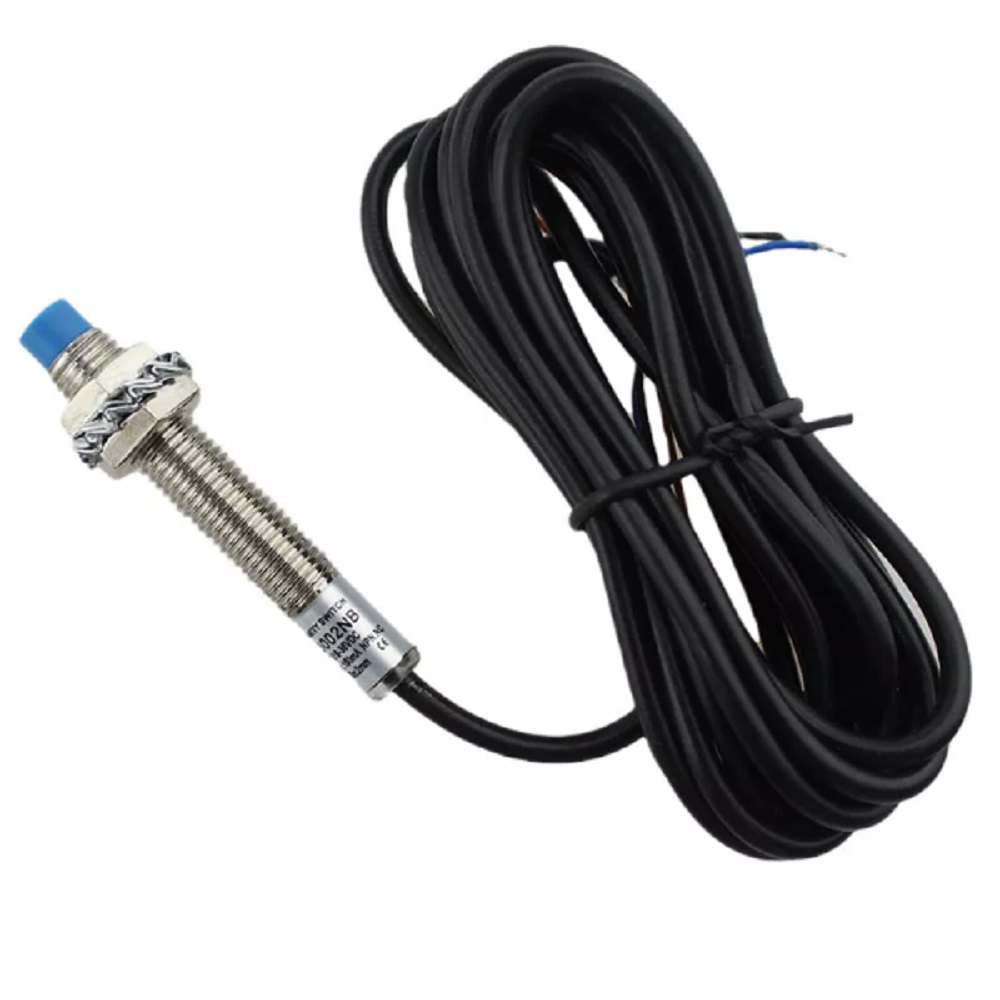
A proximity sensor is an electronic device that detects the presence or absence of an object within a specific range without requiring physical contact. It works by emitting electromagnetic fields, light, or sound waves and analyzing how these signals change when an object enters its detection zone.
These sensors are commonly used in applications where touch-based detection is impractical, such as in hazardous environments or high-speed production lines. For example, automatic doors, smartphones, and industrial conveyor systems all rely on proximity sensing technology.
Types of Proximity Sensors
There are several types of proximity sensors, each designed for specific applications:
- Inductive Sensors: Detect metallic objects using electromagnetic fields.
- Capacitive Sensors: Detect both metallic and non-metallic materials, including liquids and plastics.
- Ultrasonic Sensors: Use sound waves to measure distance or detect objects.
- Photoelectric Sensors: Use light beams to identify object presence or interruption.
Each type offers unique advantages depending on environmental conditions and detection requirements.
What is a proximity switch sensor?
A proximity switch sensor is a specialized type of proximity sensor designed to act as an electrical switch. When an object is detected within its range, the sensor triggers an output signal, typically turning a circuit on or off.
Unlike traditional mechanical switches, proximity switch sensors do not require physical contact, which reduces wear and tear and increases durability. This makes them ideal for industrial automation systems where reliability is critical.
Key Features of Proximity Switch Sensors
- Non-contact operation reduces mechanical damage
- High durability in harsh environments
- Fast response time for real-time detection
- Low maintenance requirements
- Compact design for easy integration
These features make proximity switch sensors a preferred choice in automated machinery, robotics, and safety systems.
Applications in Various Industries
Both proximity sensors and proximity switch sensors are widely used across multiple industries:
Industrial Automation
In manufacturing plants, these sensors are used to detect object positions, monitor assembly lines, and control robotic movements. They help improve efficiency and reduce human error.
Automotive Industry
Proximity sensors are used in parking assistance systems, collision detection, and automated braking systems. They enhance driver safety and vehicle performance.
Consumer Electronics
Devices such as smartphones use proximity sensors to turn off the display during calls, saving battery life and preventing accidental touches.
Healthcare
In medical equipment, proximity sensors help in touchless operations, maintaining hygiene and precision.
Security Systems
They are used in motion detection systems and alarms to identify unauthorized access.
Advantages Over Traditional Sensors
Compared to mechanical sensors, proximity sensors offer several benefits:
- Longer lifespan due to lack of physical contact
- Higher accuracy and reliability
- Resistance to dust, moisture, and vibration
- Energy efficiency in modern designs
These advantages make them suitable for both simple and complex applications.
Choosing the Right Sensor
Selecting the right proximity sensor depends on several factors:
- Type of material to be detected
- Required sensing distance
- Environmental conditions (temperature, humidity, dust)
- Response time and accuracy needs
- Installation space and budget
Understanding these factors ensures optimal performance and longevity of the sensor.
Future Trends
With advancements in technology, proximity sensors are becoming smarter and more integrated with IoT systems. Modern sensors now offer wireless connectivity, real-time monitoring, and data analytics capabilities. This evolution is driving the growth of smart factories and intelligent automation systems.
Conclusion
Proximity sensing technology has revolutionized the way machines interact with their environment. Whether it is a basic proximity sensor or an advanced proximity switch sensor, these devices play a crucial role in enhancing efficiency, safety, and automation. As industries continue to evolve, the demand for reliable and intelligent sensing solutions will only increase, making proximity sensors an indispensable part of modern technology.
 networkdigital.business.blog