There are some things about owning a vehicle in India that feel simple at first, almost routine, until they suddenly aren’t. Paperwork is one of them. And somewhere in that pile of updates, notifications, and “mandatory compliance” messages, the High Security Registration Plate system quietly slipped in and became unavoidable.
It’s not something people usually think about when buying a car or a bike. You think about mileage, insurance, maybe even accessories. But not number plates. Yet here we are, in a system where even that small metal plate at the front and back of your vehicle has become a regulated process with deadlines, portals, and appointment slots.
And depending on where you live, the experience can feel either straightforward… or slightly chaotic.
The first moment of confusion
Most people don’t wake up thinking about HSRP. They stumble into it. A reminder notice. A message from the RTO. Or a friend casually mentioning they got fined for not updating theirs.
Then comes the search. A quick Google query, a few confusing links, and suddenly you’re trying to understand what exactly needs to be done, and why it even matters so much.
At this stage, many users land on portals like hsrp number plate booking, trying to figure out where to start without accidentally clicking the wrong option or filling the wrong form. It sounds simple on paper, but the first interaction often feels like learning a new system under mild pressure.
Why HSRP exists in the first place
If you strip away all the technical language, HSRP is really about one thing: reducing duplication and fraud.
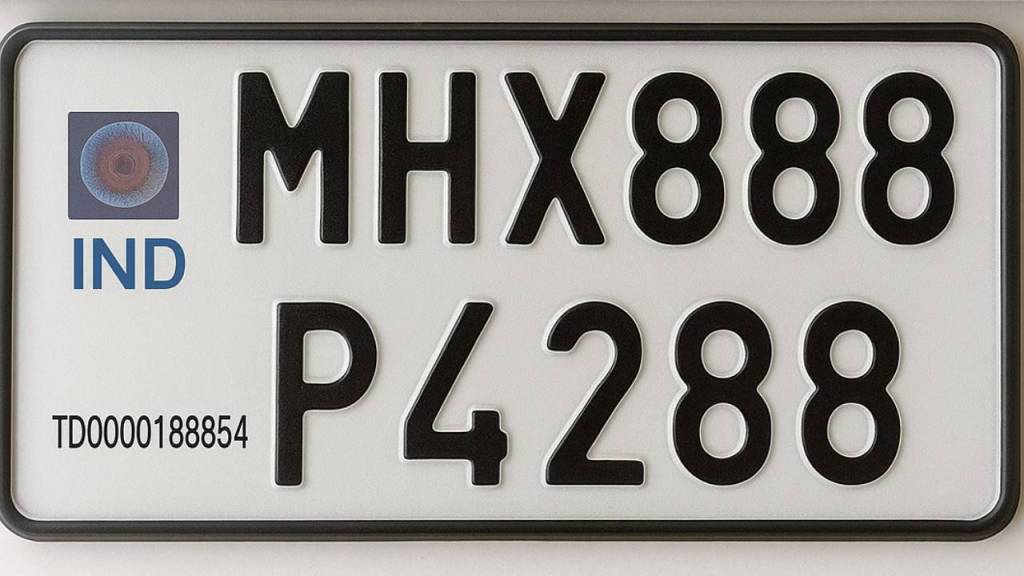
Old number plates were easy to replicate. Too easy, in fact. That meant stolen vehicles or cloned registrations could slip through systems that weren’t designed to verify identity at scale. HSRP changed that by introducing standardized plates with security features — a hologram, a laser-etched code, and tamper-proof snap locks.
It’s not flashy technology, but it’s practical. And in a country with millions of vehicles on the road, practicality matters more than elegance.
Still, knowing why it exists doesn’t always make the process of getting one feel easier.
The actual booking experience (not always smooth, honestly)
Let’s be real — online government-related processes in India have improved, but they still carry a certain unpredictability. The HSRP process is no different.
You go online, enter your vehicle details, select a fitment center, and try to book an appointment. Sometimes it works instantly. Other times, the page freezes, or the slot you saw five minutes ago suddenly disappears.
This is where frustration quietly builds. Not because the idea is bad, but because the execution doesn’t always feel consistent.
People often end up revisiting instructions or searching again for hsrp number plate, trying to confirm whether they followed the right steps or missed something obvious. And more often than not, it’s not user error — it’s just system overload or limited availability in certain areas.
Regional differences make a big impact
One thing that doesn’t get talked about enough is how location changes the entire experience.
In bigger cities, slots may open and close quickly because demand is high but infrastructure is relatively stronger. In smaller towns, the issue is different — fewer centers, fewer appointments, and longer waiting times.
So two people going through the same process can have completely different experiences. One gets a booking in a day, another waits a week just to find an available slot.
It’s uneven, and that unevenness is what makes people feel like the system is harder than it actually is.
The emotional cycle of completing it
There’s a pattern many vehicle owners go through, even if they don’t realize it at first.
At the beginning, it’s delay. “I’ll do it next week.” Then it becomes mild stress when reminders appear. Then urgency when deadlines approach. And finally, a sort of determined acceptance — just get it done and move on.
The interesting part is what comes after.
Once the plate is installed, most people don’t think about it again. It becomes part of the vehicle’s identity. Clean, standardized, slightly more official-looking. And there’s a quiet sense of relief that nothing is pending anymore.
Why the system still matters
It’s easy to get lost in the inconvenience of booking systems and forget why HSRP exists at all. But on a broader level, it plays an important role in vehicle regulation.
It helps authorities track vehicles more accurately, reduces duplication cases, and improves enforcement systems. In a country with such massive traffic density, even small improvements in identification systems can have long-term impact.
Of course, no system is perfect. There are still delays, service gaps, and occasional confusion. But the direction is clear — everything is moving toward a more digitized, standardized vehicle ecosystem.
Where people still struggle the most
The hardest part isn’t understanding what HSRP is. Most people grasp that fairly quickly.
The struggle is execution.
Document mismatches. OTP delays. Confusion over fitment centers. Or simply not finding a convenient slot. These small friction points add up and make the process feel heavier than it actually is.
And yet, once you’ve done it once, the second time feels almost easy. Familiarity changes everything.
A system slowly becoming normal
What’s interesting is how quickly something frustrating becomes normal. A few years ago, HSRP felt like a new requirement. Now, it’s just another checkbox in the long list of vehicle-related compliance steps.
That’s how digital systems evolve. First resistance, then adaptation, then acceptance.
And eventually, people stop talking about it entirely.
Final thoughts
HSRP number plates might seem like a small administrative update, but they represent something larger — a shift toward structured, secure vehicle identification in India.
The process isn’t perfect, and it doesn’t always feel smooth, but it does its job. And over time, that’s what matters most.
For most vehicle owners, it becomes just another task that had to be completed. A bit of confusion at the start, a bit of effort in the middle, and a quiet sense of completion at the end.
And maybe that’s the most honest way to describe it — not exciting, not complicated once understood, just something that fits into the everyday rhythm of owning a vehicle in a changing system.

