Introduction
Blood cancer is a disease that affects the blood, bone marrow, and lymphatic system, disrupting the production of healthy blood cells. As the disease progresses, it can weaken the immune system, reduce oxygen delivery, and interfere with normal blood clotting. Recognizing Blood Cancer symptoms at an early stage is essential because early diagnosis often leads to better treatment outcomes. Since many warning signs are similar to those of common illnesses, they can easily be overlooked. Knowing the symptoms can help individuals seek medical care without unnecessary delay.
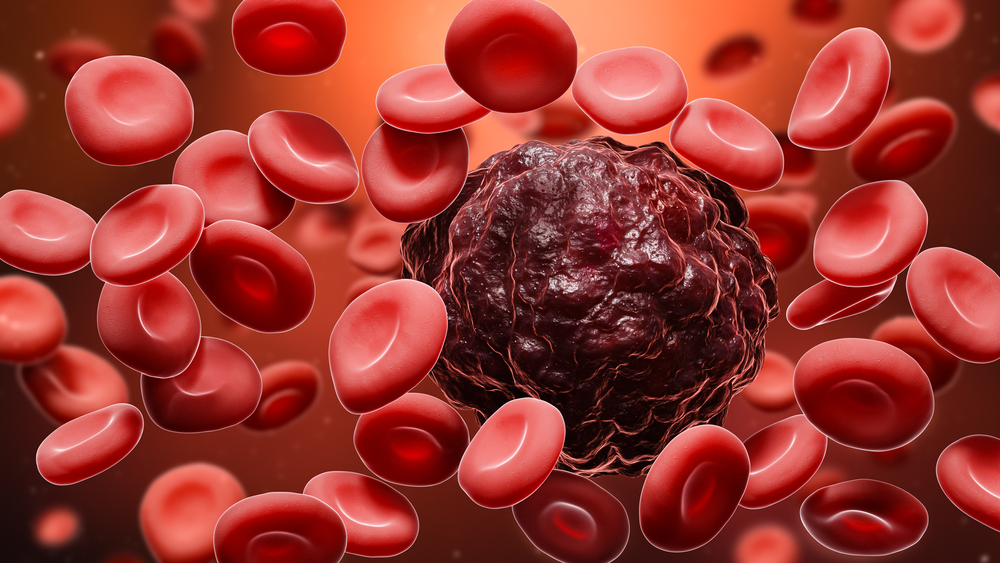
Understanding Blood Cancer
Blood cancer includes several types, with leukemia, lymphoma, and multiple myeloma being the most common. These conditions occur when abnormal blood cells grow uncontrollably and crowd out healthy cells. As a result, the body struggles to fight infections, produce enough oxygen-rich blood, and heal properly after injuries.
Although blood cancer can affect people of any age, certain risk factors such as family history, exposure to radiation, harmful chemicals, and a weakened immune system may increase the likelihood of developing the disease.
Persistent Tiredness
Constant fatigue is one of the earliest and most noticeable symptoms of blood cancer. Unlike normal tiredness that improves with rest, this type of fatigue continues for long periods because the body lacks enough healthy red blood cells.
People may also experience weakness, reduced physical endurance, and difficulty concentrating during everyday activities. If exhaustion continues despite adequate sleep, it should be discussed with a healthcare provider.
Frequent Infections
A healthy immune system depends on properly functioning white blood cells. Blood cancer often damages these cells, making it harder for the body to fight infections.
Patients may experience repeated colds, sore throats, fevers, chest infections, or urinary tract infections. Illnesses may occur more frequently than usual and recovery may take longer.
Easy Bruising and Bleeding
Blood cancer can reduce platelet production, making blood clotting less effective. This may lead to frequent nosebleeds, bleeding gums, heavy menstrual bleeding, or bruises that develop without significant injury.
Some individuals also notice tiny red or purple spots beneath the skin called petechiae, which result from bleeding in very small blood vessels.
Swollen Lymph Nodes and Bone Pain
Enlarged lymph nodes are a common symptom, particularly in the neck, underarms, and groin. They are often painless but remain swollen for an extended period.
Bone pain may occur because abnormal blood cells build up inside the bone marrow. The discomfort often affects the back, hips, shoulders, and legs and may gradually become more severe.
Weight Loss and Night Sweats
Losing weight without changes in diet or exercise should never be ignored. Blood cancer can increase the body’s energy demands, resulting in gradual and unexplained weight loss.
Night sweats are another common symptom. Excessive sweating during sleep that repeatedly soaks clothing or bedding may occur even in cool temperatures. Persistent fever along with night sweats requires medical evaluation.
Shortness of Breath and Pale Skin
Low red blood cell counts can reduce oxygen supply throughout the body, causing shortness of breath during routine activities. Walking short distances or climbing stairs may become unusually difficult.
Pale skin, dizziness, rapid heartbeat, and general weakness are additional signs that may develop because of anemia associated with blood cancer.
Diagnosis and Treatment
Doctors diagnose blood cancer using blood tests, complete blood counts, bone marrow biopsies, imaging studies, and laboratory examinations. These investigations help identify the type and stage of the disease.
Treatment options include chemotherapy, immunotherapy, targeted therapy, radiation therapy, stem cell transplantation, and supportive care. The treatment plan depends on the specific diagnosis, overall health, and stage of the cancer.
Conclusion
Blood cancer often develops gradually, making early recognition of symptoms extremely important. Persistent fatigue, frequent infections, unusual bruising, swollen lymph nodes, bone pain, unexplained weight loss, and breathing difficulties should never be ignored. Although these symptoms may have other causes, prompt medical evaluation is essential for an accurate diagnosis. Early detection and timely treatment offer the best chance for improved recovery, better disease management, and a healthier future.

