Head and neck surgery often requires exceptional precision because this part of the body contains vital structures involved in breathing, swallowing, speech, and other everyday functions. Advances in medical technology have introduced robotic-assisted techniques that may help surgeons manage selected conditions through minimally invasive approaches. Robotic Head and Neck Surgery in Lucknow combines advanced robotic systems with the knowledge and experience of specialized surgeons to perform carefully planned procedures. With enhanced visualization and flexible surgical instruments, this technology may help surgeons access challenging areas while aiming to protect surrounding healthy tissues.
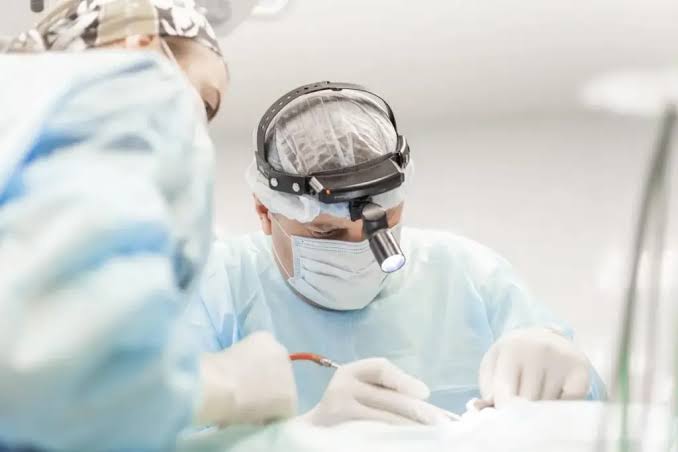
What Is Robotic Head and Neck Surgery?
Robotic-assisted head and neck surgery is a modern surgical technique in which a trained surgeon controls specialized instruments through a robotic surgical platform. The robotic system does not operate independently. Instead, the surgeon directs every movement using a console that provides a detailed view of the surgical area.
The technology can offer a magnified, high-definition view that may help surgeons identify delicate anatomical structures more clearly. Robotic instruments are also designed to provide precise movement and flexibility, which can be useful when operating in narrow or difficult-to-access areas. The approach is selected according to the patient’s condition and the surgeon’s clinical judgment.
When Is Robotic Surgery Considered?
Robotic procedures may be considered for selected patients with certain tumors and cancers affecting the head and neck region. Depending on the diagnosis, robotic-assisted techniques may be used for conditions involving the tonsils, throat, or base of the tongue. In appropriate cases, the surgeon may access the affected area through the mouth, potentially reducing the need for extensive external incisions.
However, robotic surgery is not suitable for everyone. The size and location of a tumor, its stage, nearby tissue involvement, previous treatments, and overall patient health can all influence the treatment decision. A specialist may review biopsy results, imaging scans, and other diagnostic findings before recommending the most suitable surgical approach.
Benefits of Robotic-Assisted Procedures
Robotic technology may provide several potential advantages for appropriately selected patients. The high-definition, magnified view can support detailed visualization during complex procedures. Flexible robotic instruments may also allow surgeons to make controlled movements in confined anatomical spaces.
Depending on the procedure, a minimally invasive approach may result in less disruption to surrounding tissues than some traditional open surgeries. Potential benefits can include smaller external incisions, reduced postoperative discomfort, and a potentially quicker recovery. However, every surgery carries risks, and expected outcomes vary based on the patient’s diagnosis, health, and complexity of treatment.
Selecting the Right Specialist
Patients looking for Robotic Head and Neck Surgery in Lucknow should consider the surgeon’s qualifications, experience, and familiarity with robotic-assisted procedures. A consultation with an experienced head and neck specialist can help determine whether robotic surgery is appropriate for the individual case.
The quality of the healthcare facility is also important. Patients may prefer a center with advanced diagnostic services, modern operating technology, trained anesthesia professionals, and comprehensive postoperative support. During consultation, patients should ask about the recommended procedure, possible complications, expected recovery, and alternative treatment options.
Preparing for Robotic Surgery
Preparation varies according to the patient’s condition and the type of procedure planned. Before surgery, the medical team may conduct a physical examination and recommend blood tests, imaging studies, biopsy assessments, or other investigations. These evaluations help doctors understand the patient’s condition and develop an appropriate treatment strategy.
Patients should tell their healthcare provider about all medications, allergies, previous surgeries, and existing health conditions. The surgical team may provide instructions regarding fasting and medication adjustments before the operation. Following these instructions carefully can help patients prepare safely for their procedure.
Recovery and Follow-Up
Recovery after robotic head and neck surgery depends on the type and extent of the procedure. Some patients may experience temporary discomfort, swelling, or difficulty swallowing during the early stages of healing. Doctors may recommend specific medications, dietary changes, and activity restrictions to support recovery.
Follow-up appointments are essential for checking healing and evaluating treatment results. If the surgery is performed as part of cancer treatment, pathology results may help determine whether additional therapies, including radiation or chemotherapy, are required. Each patient’s follow-up plan is developed according to their individual medical needs.
Conclusion
Robotic-assisted head and neck surgery represents a significant development in modern surgical care. By combining advanced technology with the skills of experienced surgeons, it may provide an effective treatment option for selected patients with complex conditions. Individuals considering this approach should undergo a thorough medical evaluation and discuss the potential benefits, risks, and alternatives with a qualified specialist. With personalized planning, appropriate surgical expertise, and consistent follow-up care, patients can make informed decisions about their treatment and take positive steps toward recovery.

