The Sundarban is a captivating destination for travelers who want to experience wildlife, nature, adventure, and peaceful surroundings. Located in the delta region of West Bengal, this remarkable ecosystem is known for its dense mangrove forests, winding rivers, narrow creeks, and diverse wildlife. Unlike conventional tourist destinations, the Sundarban offers an opportunity to explore nature by boat and experience a landscape shaped by tides, forests, and waterways.
Why Choose the Sundarban?
The Sundarban is famous for its unique combination of natural beauty and biodiversity. Its extensive mangrove forests create a fascinating environment for wildlife enthusiasts, photographers, birdwatchers, and adventure seekers. The peaceful waterways provide a wonderful setting for sightseeing while traveling through the forest.
A Sundarban trip allows visitors to discover the region through boat safaris, birdwatching, photography, sightseeing, and local cultural experiences. Travelers can spend time observing the landscape and learning about the importance of mangroves from knowledgeable guides. Every journey can be different because wildlife activity and natural conditions constantly change.
Enjoy an Exciting Boat Safari
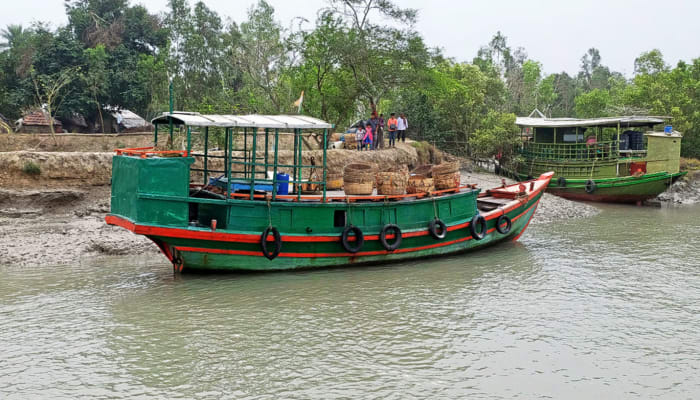
A boat safari is one of the most memorable ways to explore the Sundarban. Boats travel through rivers and narrow channels surrounded by mangrove vegetation, offering travelers a unique view of the ecosystem. Experienced guides can explain the area’s wildlife, plants, waterways, and conservation efforts during the journey.
The Sundarban is internationally known as the habitat of the Royal Bengal Tiger. Although tiger sightings cannot be guaranteed, visitors may encounter various birds, deer, monkeys, crocodiles, fish, and other wildlife. Travelers should remain patient, quiet, and respectful while observing animals in their natural habitat.
Discover Local Culture and Communities
The Sundarban experience extends beyond wildlife and forests. The villages around the region are home to communities with distinctive traditions and lifestyles. Travelers can learn about local occupations, food, crafts, and the challenges of living close to a dynamic mangrove environment.
Supporting local businesses and guides can make tourism more beneficial for nearby communities. Visitors should respect local customs, avoid intrusive photography, and interact politely with residents. These simple practices can make cultural experiences more authentic and meaningful.
Plan Your Travel With Experts
Organizing a Sundarban holiday involves transportation, accommodation, meals, sightseeing, and boat arrangements. Managing all these details independently can be difficult for travelers visiting the region for the first time.
Professional Sundarban travels services can help simplify the planning process by providing organized itineraries and travel assistance. Depending on the provider, services may include transportation, accommodation, meals, guided sightseeing, and boat safari arrangements. Travelers should compare itineraries, inclusions, accommodation standards, safety measures, and customer reviews before making a booking.
Best Time to Explore the Sundarban
The cooler months are generally considered comfortable for exploring the Sundarban. October through March is a popular period for visitors because outdoor activities and boat rides can be more pleasant. Weather conditions may affect transportation and sightseeing, so checking local conditions before departure is advisable.
Travelers should pack lightweight clothes, comfortable footwear, sunscreen, sunglasses, insect repellent, and a hat. Waterproof bags can also help protect cameras, phones, and important belongings during boat journeys.
Follow Responsible Tourism
The Sundarban is an environmentally sensitive ecosystem, and visitors should take steps to protect it. Avoiding plastic waste, not littering, maintaining silence around wildlife, and following guide instructions can reduce the impact of tourism.
Travelers should never attempt to feed animals, approach wildlife, or damage mangrove vegetation. Choosing responsible operators and supporting local communities can also encourage sustainable tourism practices.
Conclusion
The Sundarban offers a unique combination of adventure, wildlife, culture, and natural beauty. From peaceful boat rides and birdwatching to discovering local communities, the region provides countless opportunities for memorable experiences. With careful planning, reliable travel arrangements, and responsible tourism habits, visitors can enjoy the extraordinary Sundarban while helping preserve its fragile ecosystem for future generations.
 networkdigital.business.blog