Chronic kidney disease is a long-term condition in which the kidneys gradually lose their ability to perform their normal functions. Because the kidneys help remove waste, balance fluids, and regulate important minerals, reduced kidney function can affect several aspects of health. Early diagnosis, regular monitoring, and appropriate medical management can help slow progression and reduce the risk of complications.
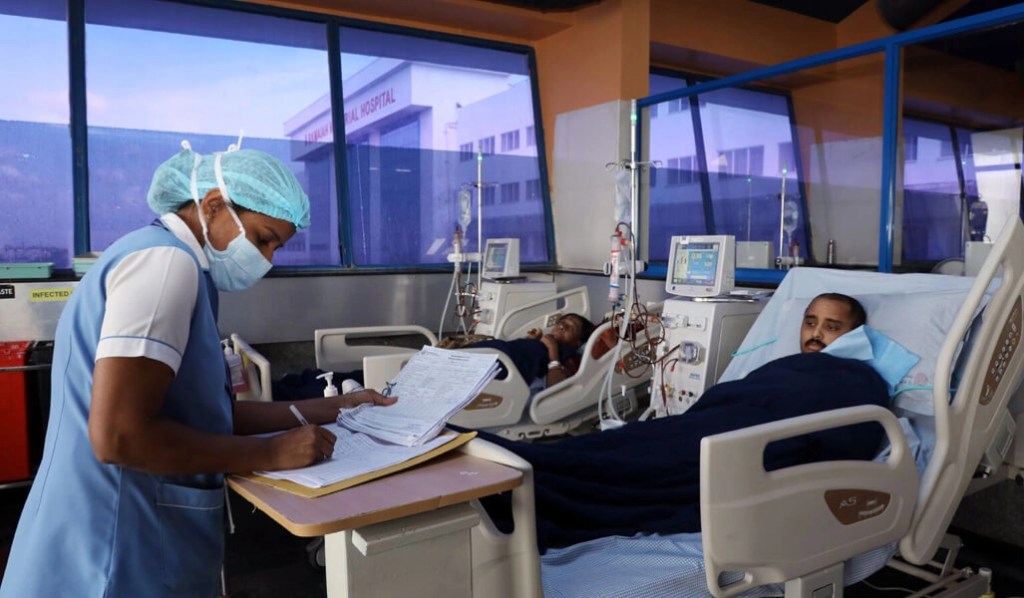
What Is Chronic Kidney Disease?
Chronic kidney disease, commonly called CKD, develops when kidney damage or reduced kidney function persists over time. It can occur because of diabetes, high blood pressure, inherited conditions, repeated kidney problems, or other medical disorders.
People seeking CKD treatment in Bangalore can consult qualified nephrologists for evaluation and individualized care. Doctors generally assess kidney function using blood and urine tests and may recommend imaging or additional investigations to understand the underlying cause.
Common Causes of CKD
Several health conditions can contribute to chronic kidney disease. Diabetes and high blood pressure are among the most common causes. Other factors may include recurrent kidney infections, certain autoimmune disorders, inherited kidney conditions, and prolonged exposure to medicines that may affect kidney function.
Identifying the underlying cause is important because treatment may focus not only on kidney function but also on controlling the condition responsible for kidney damage.
Recognizing Possible Symptoms
Early CKD may not cause noticeable symptoms. As kidney function declines, some people may experience swelling around the legs or ankles, changes in urination, fatigue, poor appetite, nausea, or difficulty concentrating.
These symptoms can have many possible causes and do not automatically indicate kidney disease. However, persistent or unusual symptoms should be discussed with a healthcare professional. People at higher risk may benefit from regular kidney function testing even when they feel well.
Diagnosis and Kidney Monitoring
Diagnosis usually involves evaluating kidney function and looking for evidence of kidney damage. Blood tests can help assess markers such as creatinine and estimate kidney filtration, while urine testing can identify protein or other abnormalities.
Doctors may also use ultrasound or other imaging techniques when appropriate. Regular monitoring helps healthcare professionals understand whether kidney function is stable or changing and allows treatment plans to be adjusted when necessary.
Chronic Kidney Disease Treatment
The approach to chronic kidney disease treatment Bangalore patients receive depends on the stage and cause of CKD, existing health conditions, medications, and overall kidney function. Treatment may include medicines, blood pressure management, diabetes control, dietary recommendations, and regular laboratory monitoring.
Doctors may also address complications associated with reduced kidney function, such as anemia or mineral and electrolyte abnormalities. In advanced stages, kidney replacement therapies may be discussed when medically appropriate.
Importance of Lifestyle Management
Lifestyle changes can complement medical treatment. Patients may be advised to maintain a balanced diet, stay physically active according to their abilities, manage blood pressure, control blood sugar, avoid tobacco, and take prescribed medications correctly.
Dietary requirements can vary considerably among CKD patients. Therefore, people should not independently follow restrictive diets or change fluid intake without professional guidance. A nephrologist or qualified renal dietitian can provide recommendations based on individual kidney function.
Choosing the Right Kidney Care Facility
When selecting a kidney care facility in Bangalore, patients can consider the experience of nephrologists, diagnostic capabilities, laboratory services, emergency support, and availability of multidisciplinary care.
Useful considerations include:
- Experienced nephrology professionals
- Kidney function testing
- Imaging and laboratory facilities
- Regular follow-up services
- Dialysis support when required
- Access to related medical specialties
- Clear communication about treatment options
A coordinated approach can be especially useful for patients managing CKD alongside diabetes, hypertension, or cardiovascular conditions.
When to Consult a Nephrologist
Individuals with diabetes, high blood pressure, a family history of kidney disease, or abnormal kidney test results should discuss appropriate evaluation with a healthcare professional. Symptoms such as persistent swelling, changes in urination, unexplained fatigue, or blood in the urine may also require medical attention.
Conclusion
Chronic kidney disease requires consistent medical attention and long-term monitoring. Early evaluation can help identify kidney problems and underlying causes, while personalized treatment can focus on preserving kidney function and managing complications. Patients in Bangalore can work with qualified nephrology professionals to develop an appropriate care plan based on their individual needs and health status.
 networkdigital.business.blog