Kidney failure can significantly affect a person’s health, lifestyle, and emotional well-being. When kidney function becomes severely compromised, a kidney transplant may provide an opportunity for a healthier and more active life. Choosing the right medical team and hospital is an important step because transplantation requires careful evaluation, advanced surgical expertise, and lifelong follow-up. Patients looking for a kidney transplant hospital in Bangalore can find comprehensive transplant programs designed to support patients before, during, and after surgery.
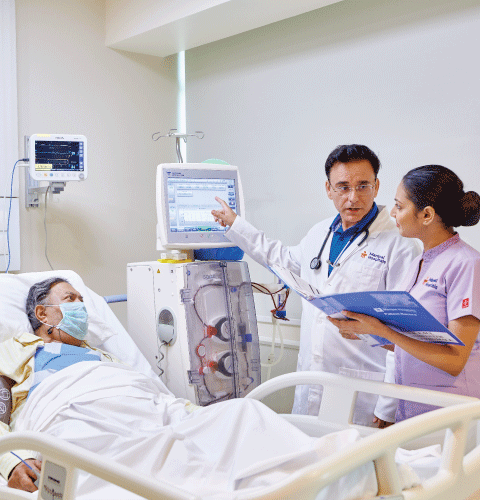
Understanding Kidney Transplantation
A kidney transplant is a surgical procedure in which a healthy kidney from a suitable donor is placed into a patient whose kidneys are no longer functioning adequately. It can be considered for people with advanced or end-stage kidney disease when transplantation is medically appropriate. Unlike dialysis, which performs some functions of the kidneys, a successful transplant can restore many important kidney functions and may improve overall quality of life.
Why Choose a Specialized Transplant Centre?
Kidney transplantation involves much more than the surgery itself. Patients require detailed investigations, donor assessment, compatibility testing, surgical planning, medication management, and regular monitoring. A specialized transplant centre brings different medical professionals together to provide coordinated care.
An experienced transplant team may include nephrologists, transplant surgeons, anesthesiologists, nurses, dietitians, and other specialists. This multidisciplinary approach helps doctors identify potential risks and create an individualized treatment plan based on each patient’s medical condition.
Kidney Transplant Evaluation
Before transplantation, both the recipient and potential donor undergo comprehensive medical assessments. These evaluations help determine whether transplantation is suitable and whether the donor is medically fit to donate.
The evaluation may include:
- Blood and urine investigations
- Blood group and tissue compatibility testing
- Imaging and kidney-related examinations
- Cardiovascular assessment
- Screening for infections and other medical conditions
- Detailed donor health evaluation
- Psychological and lifestyle assessment when appropriate
This careful process helps the medical team prepare patients for transplantation and address possible concerns before surgery.
Advanced Surgical and Medical Care
Modern transplant programs use advanced surgical techniques and structured protocols to improve patient safety. During transplantation, the donor kidney is carefully placed and connected to the recipient’s blood vessels and urinary system. After surgery, close monitoring is essential to assess kidney function and detect complications at an early stage.
Patients searching for kidney transplant in Bangalore should consider hospitals that provide coordinated pre-transplant evaluation, experienced transplant specialists, intensive postoperative monitoring, and long-term follow-up. The availability of supporting departments and diagnostic facilities can also be valuable throughout the treatment journey.
Life After a Kidney Transplant
Recovery does not end when the surgery is completed. Transplant recipients generally need regular medical consultations and prescribed immunosuppressive medicines to reduce the risk of rejection. Doctors monitor kidney function, medication levels, blood pressure, infections, and other health parameters during follow-up visits.
Patients can also support their recovery by following their medical team’s advice regarding diet, physical activity, medication schedules, hygiene, and lifestyle habits. Taking medicines consistently and attending scheduled appointments are particularly important for long-term transplant care.
Choosing the Right Kidney Transplant Hospital
When comparing transplant hospitals in Bangalore, patients and families should look beyond the procedure itself. Important factors can include the experience of the transplant team, availability of nephrology and transplant surgery services, diagnostic facilities, intensive care support, postoperative monitoring, and the hospital’s approach to long-term patient care.
It is also important to discuss eligibility, expected outcomes, possible complications, costs, donor requirements, and follow-up care directly with qualified transplant specialists. Every patient’s circumstances are different, so medical decisions should be based on professional evaluation rather than general information.
Conclusion
Kidney transplantation is a major medical journey that requires expertise, careful planning, and continuous support. A comprehensive transplant centre can help patients navigate evaluation, surgery, recovery, and lifelong follow-up. For individuals considering transplantation, consulting an experienced nephrologist and transplant team in Bangalore can be an important first step toward understanding available treatment options and making an informed healthcare decision.

