Bladder stones are hard mineral deposits that develop inside the urinary bladder. They can occur when urine becomes concentrated or when the bladder does not empty completely. Some bladder stones remain small and cause few symptoms, while larger stones can lead to pain, urinary difficulties, infections, or blood in the urine. Timely medical evaluation can help identify the cause and determine suitable treatment.
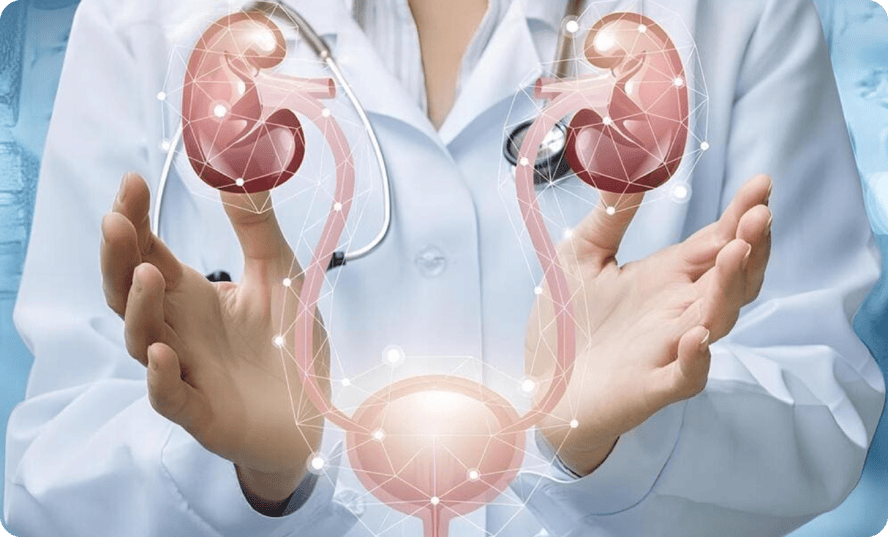
What Are Bladder Stones?
Bladder stones form when minerals and other substances in concentrated urine crystallize and gradually become harder. They may develop within the bladder or, in some cases, move into the bladder from the upper urinary tract.
Incomplete bladder emptying is an important factor associated with bladder stones. Conditions affecting the prostate, bladder function, nerves, or urinary passage may contribute to urine remaining in the bladder for longer than normal.
Common Symptoms of Bladder Stones
Symptoms can vary depending on the size and location of the stone. Some people may experience pain in the lower abdomen, discomfort while urinating, frequent urination, or difficulty starting the urine stream.
Other symptoms can include interrupted urine flow, blood in the urine, cloudy urine, or repeated urinary infections. Some people experience increased discomfort toward the end of urination. However, symptoms are not always specific to bladder stones, making professional evaluation important.
Causes and Risk Factors
Several conditions can increase the possibility of bladder stone formation. An enlarged prostate may make it difficult for the bladder to empty completely. Certain nerve-related bladder conditions, previous urinary procedures, recurrent infections, and structural abnormalities can also contribute.
Dehydration may lead to more concentrated urine, although bladder stones can have multiple contributing factors. Identifying the underlying reason for stone formation can be useful in reducing the possibility of recurrence after treatment.
Diagnosis of Bladder Stones
For individuals considering Bladder Stone Treatment in Bangalore , proper diagnosis is an important first step. A doctor may review symptoms and medical history before recommending appropriate investigations.
Diagnostic methods may include urine testing, blood tests, ultrasound, X-rays, or other imaging studies. In selected situations, cystoscopy may be used to examine the inside of the bladder directly. The choice of investigation depends on the patient’s symptoms and suspected cause.
Consulting a Urologist
People searching for a Urologist for Bladder Stones in Bangalore may consider the specialist’s qualifications, experience, diagnostic facilities, and available treatment approaches. A urologist can evaluate the stone as well as investigate conditions that may have contributed to its development.
A specialist consultation also provides an opportunity to discuss the stone’s size, location, possible treatment options, expected recovery, and measures that may help prevent future stones.
Treatment Options
Treatment depends largely on the size of the stone, symptoms, and underlying urinary condition. Very small stones may sometimes pass naturally, depending on the circumstances. However, larger stones may require a procedure to break them into smaller pieces or remove them.
Endoscopic procedures are commonly used for suitable bladder stones. During cystoscopic treatment, specialized instruments can be introduced through the urinary passage to locate and remove or fragment the stone. The exact procedure depends on individual medical factors.
Preventing Future Bladder Stones
Preventing recurrence often involves addressing the reason the stone developed. Maintaining adequate fluid intake may support regular urine production, although hydration recommendations should be personalized for people with certain medical conditions.
Patients should also follow treatment recommendations for prostate problems, bladder dysfunction, urinary infections, or other contributing conditions. Regular follow-up may be advised when there is a risk of recurrent stones.
When to Seek Medical Attention
Persistent difficulty urinating, severe lower abdominal pain, blood in the urine, repeated urinary infections, or an inability to pass urine should not be ignored. Prompt medical assessment is particularly important when symptoms are sudden or severe.
Early evaluation can help determine whether bladder stones or another urinary condition is responsible for the symptoms and whether treatment is required.
Conclusion
Bladder stones can cause uncomfortable urinary symptoms and may sometimes be linked to an underlying condition affecting bladder emptying. Accurate diagnosis and appropriate treatment can help address the immediate problem while also identifying factors that may contribute to recurrence. Consulting a qualified urologist in Bangalore can help patients understand their condition and explore suitable treatment options based on their individual needs.

