A healthy spine plays an important role in maintaining posture, balance, flexibility, and everyday movement. However, spinal conditions can sometimes affect the natural alignment of the backbone, causing discomfort and difficulties with routine activities. From mild curvature problems to age-related spinal changes, these conditions require careful evaluation and an appropriate treatment plan. With access to modern diagnostic facilities and personalised care, patients can explore different approaches to managing spinal problems and improving their quality of life.
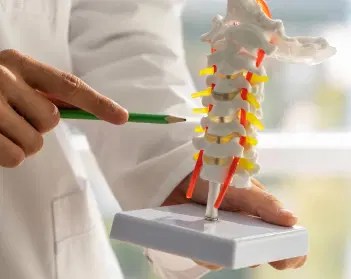
Understanding Spinal Deformities
Spinal deformities occur when the spine develops an abnormal curve or loses its normal alignment. Common conditions include scoliosis, kyphosis, and degenerative spinal deformities. These problems can develop during childhood, adolescence, or adulthood, depending on the underlying cause.
Some individuals notice uneven shoulders, a tilted waist, or a rounded upper back. Others experience stiffness, back pain, muscle fatigue, or difficulty standing for long periods. In more complex cases, changes in spinal alignment may place pressure on nearby nerves, causing tingling, numbness, or weakness in the limbs.
The severity of symptoms varies considerably. While some deformities remain stable and require only monitoring, others may progress over time. Early medical assessment helps identify the condition and determine the most suitable management strategy.
Why Consult a Spinal Deformity Specialist?
Consulting a spinal deformity specialist in Bangalore can help patients understand the cause of their symptoms and explore appropriate treatment options. A specialist evaluates medical history, posture, spinal movement, muscle strength, and neurological function to develop an individualised care plan.
Depending on the patient’s condition, diagnostic investigations may include standing spinal X-rays, MRI scans, or CT scans. These tests provide information about spinal alignment, bone structure, disc health, and possible nerve compression.
Treatment recommendations depend on several factors, including age, curve severity, symptom duration, physical activity, and whether the deformity is progressing. A thorough evaluation is particularly important because back pain does not always indicate a spinal deformity, and different conditions may require different approaches.
Exploring Non-Surgical Spine Treatment Options
Non surgical spine treatment in Bangalore may be suitable for patients whose spinal conditions can be managed without an operation. Conservative care aims to reduce discomfort, improve mobility, strengthen supporting muscles, and help patients continue their daily activities safely.
Treatment options may include physiotherapy, supervised exercises, posture correction, activity modification, and medication when recommended by a healthcare professional. Selected patients may also benefit from specialised rehabilitation programmes designed around their diagnosis and physical limitations.
Non-surgical treatment can be particularly useful for managing symptoms associated with certain degenerative spinal conditions and uncomplicated back pain. However, it does not permanently correct every structural deformity. Regular reassessment helps determine whether the treatment is effective or whether another approach is needed.
The Role of Physiotherapy and Exercise
Physiotherapy can help improve flexibility, muscle strength, and movement control. A qualified physiotherapist may recommend exercises targeting the back, abdominal muscles, hips, and other structures that support the spine.
A suitable exercise programme should reflect the patient’s age, physical condition, and specific spinal problem. Gentle strengthening and mobility exercises may improve comfort and help patients perform daily tasks with greater confidence.
Posture education is another important component of rehabilitation. Learning to sit comfortably, adjust workstation height, and take regular movement breaks can reduce unnecessary strain. Patients should avoid exercises that worsen their symptoms and seek professional advice before starting demanding physical activities.
Lifestyle Changes for Better Spinal Health
Healthy daily habits can support spinal comfort and general physical well-being. Maintaining regular activity, practising appropriate lifting techniques, getting sufficient sleep, and following a balanced diet can contribute to overall musculoskeletal health.
People who work at desks for extended periods should avoid remaining in one position for too long. Short walking breaks and gentle movement throughout the day may help reduce stiffness and muscle fatigue.
When Is Surgery Necessary?
Although conservative treatment helps many patients, surgery may be considered when a deformity progresses significantly, causes severe functional limitations, or remains problematic despite appropriate treatment. New or worsening weakness, difficulty walking, or changes in bladder or bowel control require urgent medical assessment.
The decision to proceed with surgery should follow a detailed discussion of potential benefits, risks, alternatives, and recovery expectations.
Conclusion
Spinal deformities can affect movement, posture, and daily comfort, but the right treatment plan can help patients manage their condition effectively. Through specialist assessment, personalised physiotherapy, appropriate lifestyle changes, and regular monitoring, many individuals can improve their mobility and quality of life. Seeking professional guidance early helps patients understand their options and make informed decisions about long-term spinal health.

