The brain, spinal cord, and nerves control essential functions such as movement, memory, sensation, coordination, and communication. When any part of the nervous system is affected by illness or injury, it can influence a person’s independence and quality of life. Recognising symptoms early and seeking professional medical advice can help identify underlying conditions and determine suitable treatment options. Access to appropriate neurological care is an important step toward managing nervous system disorders effectively.
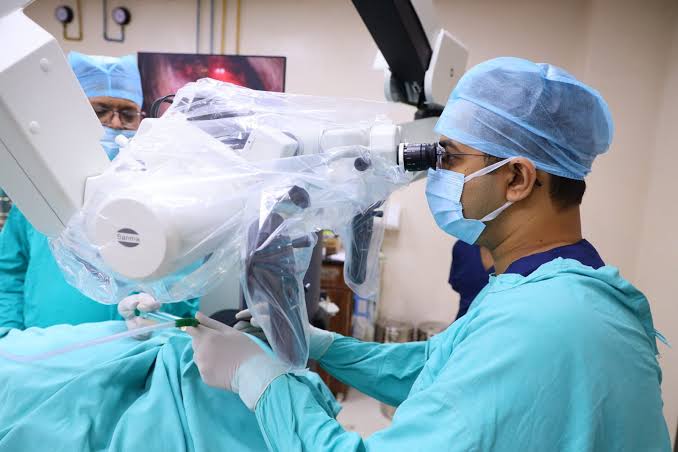
Importance of Choosing the Right Neurological Hospital
Neurological conditions can range from recurring headaches to complex disorders that require long-term medical supervision. Patients may experience dizziness, numbness, seizures, muscle weakness, memory difficulties, or problems with balance. These symptoms can have different causes, making professional evaluation important.
Choosing a neuro hospital in Lucknow can help patients explore neurological consultations, diagnostic investigations, treatment planning, and rehabilitation services according to their medical needs. Depending on the hospital’s facilities, services may include brain imaging, electroencephalography (EEG), nerve conduction studies, medication management, and specialist referrals.
A comprehensive assessment allows healthcare professionals to understand the patient’s symptoms, review medical history, and recommend appropriate investigations. Early diagnosis can also help patients understand their condition and make informed decisions about their treatment.
Common Neurological Conditions
Neurological disorders affect people of all ages. Some conditions develop gradually, while others may appear suddenly and require immediate medical attention. Common conditions evaluated by neurological specialists include migraine, epilepsy, stroke, Parkinson’s disease, peripheral neuropathy, multiple sclerosis, and movement disorders.
Migraine can cause recurring headaches, nausea, and sensitivity to light or sound. Epilepsy is associated with recurrent seizures, while peripheral neuropathy may cause tingling, numbness, burning sensations, or weakness in the extremities. Parkinson’s disease can affect movement, balance, and coordination.
Persistent symptoms should not be ignored, especially when they interfere with everyday activities. A medical evaluation can help distinguish neurological problems from other conditions that may produce similar symptoms.
When Should You Consult a Neurologist?
A neurologist is a medical specialist trained to diagnose and manage disorders affecting the brain, spinal cord, and peripheral nerves. Patients may benefit from consultation when they experience recurring headaches, unexplained tremors, repeated seizures, changes in sensation, or ongoing difficulties with balance and coordination.
Consulting a neurologist in Lucknow provides an opportunity to discuss symptoms, undergo a neurological examination, and determine whether additional testing is required. The specialist may review previous medical reports, current medications, family medical history, and the duration of symptoms before recommending a treatment plan.
Treatment depends on the diagnosis and may involve prescribed medication, lifestyle modifications, physiotherapy, rehabilitation, or coordination with other specialists. Follow-up appointments help monitor progress and identify any changes that require further attention.
Diagnostic Facilities and Treatment Approaches
Accurate diagnosis is essential for effective neurological management. Depending on the suspected condition, a specialist may recommend MRI scans, CT scans, EEG, nerve conduction studies, or blood tests. These investigations provide different types of information, and not every patient requires all of them.
Treatment plans are tailored to the patient’s condition, general health, and individual needs. Some neurological disorders can be managed with medication and regular monitoring, while others may require rehabilitation or specialised procedures. Patients should understand the purpose of their treatment and discuss possible benefits, risks, and alternatives with their healthcare provider.
Following medical advice and attending scheduled appointments can support ongoing condition management. Patients should not stop prescribed medicines or change their dosage without professional guidance.
How to Select a Neurological Care Facility
When choosing a hospital in Lucknow, consider specialist qualifications, clinical experience, diagnostic resources, emergency services, and rehabilitation support. Clear communication is equally important because patients need to understand their diagnosis and available treatment options.
Bringing previous reports, a list of medications, and notes about symptoms can make consultations more productive. Family members may also help by sharing observations about changes in memory, movement, or daily behaviour.
Recognising Neurological Emergencies
Sudden facial drooping, difficulty speaking, weakness on one side of the body, sudden vision loss, or an abrupt severe headache may indicate a stroke. Call emergency services immediately rather than waiting for a routine appointment. Prompt medical attention can be critical.
Conclusion
Neurological health plays an important role in maintaining mobility, independence, and overall well-being. Timely medical assessment, accurate diagnosis, personalised treatment, and regular follow-up can help patients manage neurological conditions more effectively. By seeking appropriate specialist care in Lucknow, patients and their families can make informed decisions and take practical steps toward better long-term health.

