Kidney stones are hard deposits of minerals and salts that develop inside the kidneys. Depending on their size and location, they can cause severe back pain, discomfort during urination, nausea, and blood in the urine. While smaller stones may pass naturally, larger or complex stones often require specialised medical treatment. Percutaneous nephrolithotomy, commonly called PCNL, is a minimally invasive surgical procedure designed to remove significant stone burdens from the kidneys.
What Is Percutaneous Nephrolithotomy?
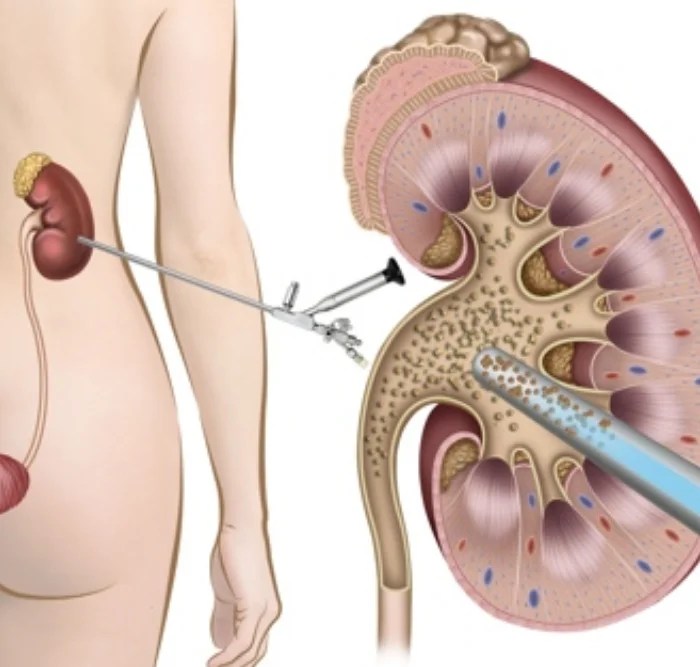
Percutaneous nephrolithotomy is a surgical technique in which a urologist removes kidney stones through a small incision in the patient’s back. A narrow passage is created to reach the kidney, allowing specialised instruments to locate, break, and remove stones.
Unlike traditional open surgery, PCNL does not generally require a large incision. It is frequently considered for large kidney stones, multiple stones, and complex stones that may be difficult to manage using other treatment methods. The suitability of the procedure depends on the patient’s condition, stone characteristics, and medical history.
When Is PCNL Recommended?
Not every kidney stone requires surgery. Small stones may pass naturally with appropriate medical guidance, while some stones can be treated with medication or other procedures. However, larger stones may cause persistent pain, urinary obstruction, recurrent infections, or other complications that require intervention.
PCNL may be recommended for large kidney stones, complex stone formations, and certain staghorn calculi that occupy a substantial portion of the kidney’s collecting system. Before recommending surgery, the urologist evaluates the stone’s size, number, location, and complexity.
Patients considering percutaneous nephrolithotomy Bangalore should undergo a detailed medical assessment to determine whether this procedure is appropriate. Investigations may include urine analysis, blood tests, ultrasound, and CT imaging. These assessments help the surgical team plan the procedure and identify potential risks.
How Does the Procedure Work?
PCNL is generally performed under general anaesthesia. The surgeon creates a small opening in the back and establishes a pathway into the kidney. A specialised instrument called a nephroscope is passed through this pathway to locate the stones.
Depending on their size and hardness, the stones are broken into smaller fragments using suitable instruments. The fragments are then removed through the established passage. In some cases, a temporary drainage tube or ureteral stent may be placed to support urine flow during recovery.
The duration of the procedure depends on the number and complexity of the stones. The medical team explains the preparation requirements, expected hospital stay, and possible complications before surgery.
Benefits of Kidney Stone Removal Surgery
PCNL can provide effective treatment for appropriately selected patients with large or complex kidney stones. Its small surgical access point may reduce tissue disruption compared with traditional open surgery. It can also offer a practical option when other techniques are unlikely to remove the stone burden adequately.
Access to kidney stone removal surgery Bangalore allows patients to explore specialist assessment and suitable surgical options. However, the best treatment varies from person to person. A urologist can explain the potential benefits, limitations, and alternatives based on individual findings.
As with any surgical procedure, PCNL carries risks, including bleeding, infection, injury to nearby structures, and residual stone fragments that may require further treatment. Patients should discuss these possibilities with their surgeon.
Recovery After PCNL
After surgery, patients are monitored for pain, bleeding, urine output, and signs of infection. The length of the hospital stay depends on the patient’s recovery and the complexity of the procedure.
Following discharge, patients should take prescribed medicines, care for the incision as instructed, and follow recommendations about hydration and physical activity. Follow-up appointments and imaging may be necessary to confirm that the stones have been adequately removed.
Fever, severe or worsening pain, heavy bleeding, or difficulty passing urine should be reported promptly to a healthcare professional.
Preventing Future Kidney Stones
Preventive measures can help reduce the likelihood of recurrence. Drinking adequate water, maintaining a balanced diet, and managing relevant medical conditions may be beneficial. Dietary recommendations should be tailored to the type of stone and the patient’s medical history. Stone analysis and selected metabolic tests can help guide prevention.
Conclusion
Percutaneous nephrolithotomy is an important treatment option for large and complex kidney stones. With accurate diagnosis, appropriate surgical planning, and follow-up care, patients can receive treatment suited to their needs. Consulting a qualified urologist helps individuals understand their options and make informed decisions about kidney stone management.

