Understanding Multispeciality Healthcare
Bangalore is a prominent healthcare destination in India, known for its growing medical infrastructure, experienced doctors, and access to modern treatment facilities. Patients from different regions visit the city for preventive health check-ups, specialist consultations, diagnostic investigations, and complex medical procedures. Multispeciality hospitals help meet these needs by bringing various medical departments together in one convenient location.
Choosing the right hospital is an important step towards managing health concerns effectively. Patients should consider the experience of medical professionals, available specialities, diagnostic facilities, patient safety standards, and affordability. A good healthcare institution combines clinical expertise with compassionate support to improve the overall patient experience.
Why Multispeciality Hospitals Are Important
Multispeciality hospitals provide treatment across several medical disciplines, including cardiology, neurology, orthopaedics, oncology, gastroenterology, nephrology, and urology. This integrated approach allows patients to access different specialists without visiting multiple healthcare facilities.
Finding the Best Multispeciality hospital in Bangalore can be particularly beneficial for individuals who require coordinated treatment for complicated medical conditions. For instance, patients with diabetes and cardiovascular problems may need guidance from specialists in different departments. Collaboration between these professionals can help create a more comprehensive treatment plan based on the patient’s medical history and overall health.
Many hospitals also provide laboratory investigations, medical imaging, pharmacy services, and rehabilitation facilities. Depending on the institution, these services can simplify appointments and support continuity of care throughout treatment and recovery.
Cardiology Services for Heart Health
Cardiology departments diagnose and manage conditions affecting the heart and blood vessels. Common concerns include coronary artery disease, abnormal heart rhythms, hypertension-related complications, and other cardiovascular disorders.
Available services may include electrocardiograms, echocardiography, cardiac monitoring, and specialised procedures. Cardiologists assess symptoms, review medical histories, and recommend appropriate tests before determining the most suitable treatment approach.
Preventive care remains equally important. Regular health assessments, balanced meals, physical activity, and proper management of blood pressure and cholesterol can help reduce cardiovascular risks. Patients should seek urgent medical attention if they experience symptoms that may indicate a heart emergency.
Neurology and Neurosurgical Facilities
Neurology departments focus on conditions affecting the brain, spinal cord, and nervous system. Patients experiencing persistent headaches, seizures, numbness, movement difficulties, or other neurological symptoms may require specialist assessment.
Doctors evaluate symptoms through clinical examinations and recommend diagnostic investigations when necessary. Treatment may involve medication, rehabilitation, monitoring, or specialised procedures, depending on the diagnosis.
Access to neurological expertise can be particularly useful for patients managing long-term conditions. Regular consultations and appropriate follow-up care help medical teams monitor progress and adjust treatment when required.
Orthopaedics and Rehabilitation Services
Orthopaedic departments treat problems involving bones, joints, muscles, tendons, and ligaments. Common conditions include arthritis, fractures, sports injuries, back pain, and restricted mobility.
Treatment options depend on the patient’s condition and may include medication, physiotherapy, rehabilitation, or surgery. Individuals undergoing orthopaedic procedures may require structured recovery programmes to restore strength, improve movement, and return to their usual activities.
Oncology and Comprehensive Cancer Care
Cancer treatment often requires careful coordination between different medical professionals. Oncology departments may provide diagnostic evaluation, treatment planning, chemotherapy, and other specialised services, depending on the hospital’s facilities.
Treatment options can include surgery, radiation therapy, immunotherapy, or targeted therapies. Specialists explain the available approaches according to the cancer type, stage, and individual health requirements. Emotional support and regular follow-ups are also important throughout the treatment journey.
Modern Infrastructure and Patient Safety
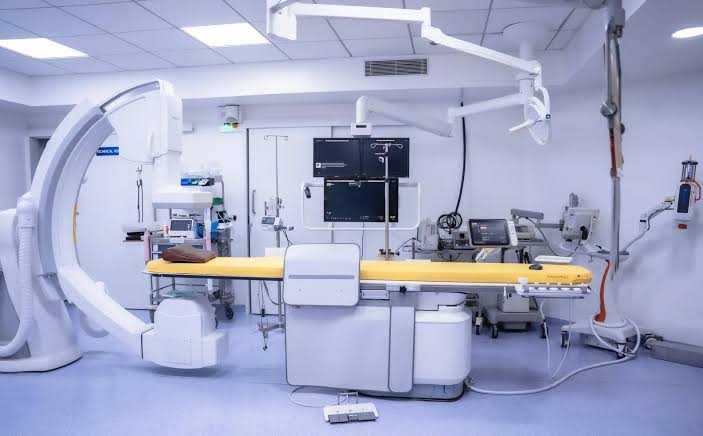
A well-equipped hospital may offer advanced diagnostic equipment, operation theatres, intensive care units, emergency services, and specialised treatment facilities. These resources support healthcare professionals in diagnosing conditions and delivering appropriate medical care.
Patients should also evaluate infection-control practices, accreditation, specialist qualifications, emergency preparedness, and transparency regarding treatment expenses. Confirming the availability of specific services directly with the hospital can help avoid unexpected difficulties.
Choosing the Right Healthcare Institution
The Best Super Multispecialty Hospital in Bangalore should offer appropriate medical expertise, relevant specialities, reliable diagnostic services, and patient-focused care. Location, appointment availability, insurance acceptance, and estimated treatment costs should also influence the decision.
Patients can compare available facilities, review verified feedback, and discuss treatment options with qualified doctors before choosing a hospital. Understanding the diagnosis, expected outcomes, potential risks, and follow-up requirements helps families make informed healthcare decisions.
Conclusion
Bangalore offers numerous healthcare institutions serving patients with diverse medical needs. Multispeciality hospitals bring different departments and treatment resources together, supporting convenient and coordinated care. By evaluating medical expertise, infrastructure, safety standards, and affordability, patients can identify a suitable hospital and make confident decisions about their healthcare journey.

