Introduction
Children need specialized medical attention at every stage of their development, from infancy through adolescence. Regular health checkups, timely vaccinations, proper nutrition, and early diagnosis of illnesses play an important role in maintaining their overall well-being. Parents should choose a healthcare professional who understands children’s unique medical needs and provides appropriate guidance for healthy growth. Access to experienced pediatric care also helps families manage common childhood illnesses and recognize symptoms that may require further medical attention.
Importance of Choosing the Right Pediatrician
A pediatrician specializes in the physical, emotional, and developmental health of infants, children, and teenagers. Pediatric consultations help monitor growth, assess developmental milestones, and identify potential health concerns at an early stage. Parents can also receive practical advice about breastfeeding, feeding routines, sleep patterns, hygiene, and childhood nutrition.
When searching for the Best Pediatrician in Bangalore, families should consider the doctor’s qualifications, clinical experience, communication skills, and approach to child-friendly healthcare. A good pediatrician listens carefully to parents, explains medical conditions in simple language, and recommends suitable treatment based on the child’s age, symptoms, and medical history. Building a long-term relationship with a pediatrician can make routine checkups and future consultations more comfortable for children and their families.
Essential Pediatric Healthcare Services
Comprehensive pediatric care includes preventive services, routine consultations, diagnosis, and treatment for a wide range of childhood conditions. Common reasons for visiting a pediatrician include fever, cough, cold, allergies, digestive problems, skin conditions, and recurring infections.
Preventive healthcare is equally important. Regular growth assessments help track a child’s height, weight, and developmental progress. Vaccination schedules protect children against several preventable diseases, while nutritional guidance supports healthy physical and cognitive development. Pediatricians can also advise parents about screen time, physical activity, sleep habits, and age-appropriate developmental activities.
Children with persistent symptoms or complex medical needs may require additional investigations or referral to a specialist. Early evaluation can help determine the appropriate next steps and reduce uncertainty for parents.
Understanding Pediatric Intensive Care
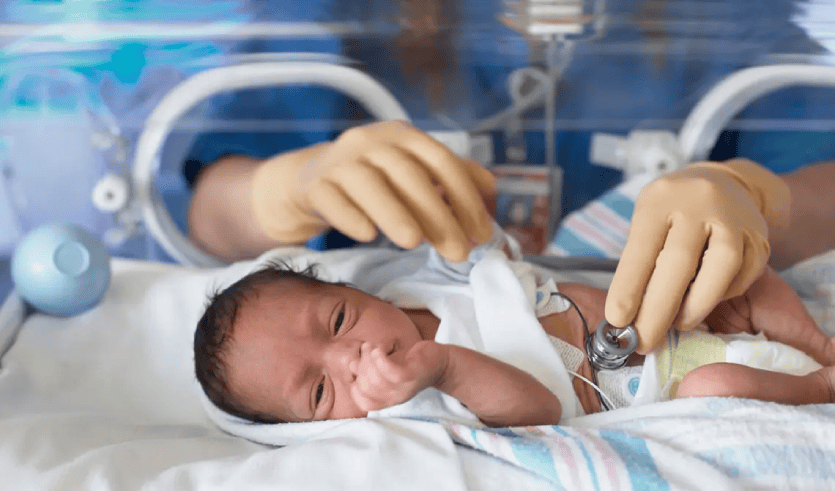
Some children develop serious illnesses or experience medical emergencies that require continuous monitoring and specialized treatment. Pediatric intensive care is designed for critically ill infants and children who need a higher level of medical support than a regular hospital ward can provide.
A Peadiatric intensivisit in Bagalore generally refers to a pediatric intensivist in Bangalore, a doctor with specialized training in caring for critically ill children. These specialists manage complex conditions that may affect breathing, circulation, neurological function, or other vital body systems. Depending on the child’s condition, treatment may involve advanced monitoring, respiratory support, medication, and coordinated care from a multidisciplinary medical team.
Pediatric intensive care units are equipped to support children who require close observation and rapid medical intervention. The team may include pediatric intensivists, nurses, respiratory therapists, and other specialists who work together to provide individualized care.
When Should Parents Seek Urgent Medical Attention?
Parents should seek prompt medical evaluation if a child experiences difficulty breathing, unusual drowsiness, seizures, severe dehydration, or sudden changes in responsiveness. Infants with fever may also require urgent assessment, depending on their age and symptoms.
In an emergency, families should contact local emergency services or visit the nearest appropriate emergency department rather than waiting for a routine appointment. Timely medical attention can be particularly important when a child’s condition deteriorates quickly.
How to Choose a Pediatric Healthcare Facility
When evaluating a hospital or pediatric clinic, parents should consider the availability of qualified pediatricians, diagnostic facilities, emergency services, and access to specialized care when needed. Families may also ask about appointment availability, vaccination services, follow-up procedures, and communication with caregivers.
For children who may require intensive care, access to a suitably equipped pediatric intensive care unit and trained critical care professionals is an important consideration. Clear explanations, coordinated treatment, and family communication can help parents understand their child’s care plan.
Conclusion
Quality pediatric healthcare supports children’s growth, development, and long-term well-being. Routine consultations help prevent and manage common illnesses, while specialized pediatric intensive care provides essential support during serious medical conditions. By choosing qualified healthcare professionals and seeking medical advice when symptoms arise, parents can make informed decisions about their children’s health and ensure that appropriate care is available when needed.

