Introduction
A cancer diagnosis can be a challenging experience for patients and their families. Finding the right specialist, understanding treatment options, and receiving timely medical attention are important steps toward managing the condition. Indore offers healthcare facilities where patients can access cancer consultations, diagnostic investigations, treatment planning, and follow-up services. Choosing a specialist according to the type of cancer and the treatment required can help patients make informed healthcare decisions.
When searching for the best surgical oncologist in Indore, patients should consider the doctor’s qualifications, experience with the relevant cancer type, surgical expertise, and access to comprehensive hospital facilities. A qualified specialist evaluates the diagnosis, explains available treatment approaches, and helps determine whether surgery may be appropriate for the patient’s condition.
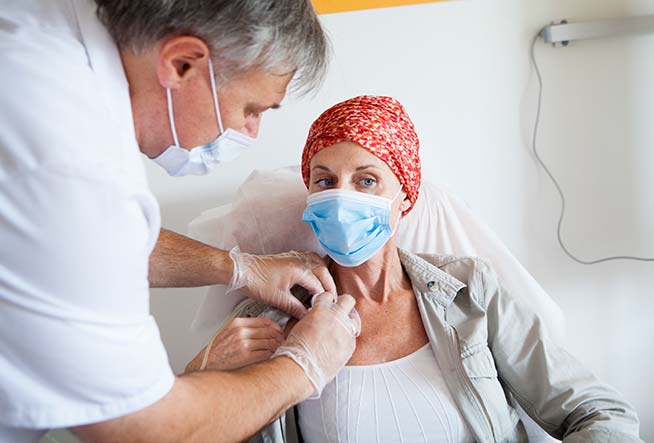
Understanding Surgical Oncology
Surgical oncology focuses on treating cancer through surgical procedures. A surgical oncologist may perform operations to remove tumours, obtain tissue samples, assess the extent of cancer, or relieve symptoms in selected cases.
Surgery can be an important treatment option for several cancers, including breast, colorectal, gastrointestinal, thyroid, and certain other solid tumours. However, its suitability depends on the cancer’s location, stage, size, and potential spread, along with the patient’s overall health.
Before recommending an operation, the specialist reviews biopsy findings, imaging results, medical history, and other relevant investigations. Some patients may require chemotherapy or radiation therapy before or after surgery. Coordinating care with other oncology specialists helps ensure that treatment decisions consider the complete clinical picture.
What Does a Medical Oncologist Do?
A medical oncologist specializes in managing cancer with medicines and systemic treatments. These treatments may include chemotherapy, immunotherapy, targeted therapy, and hormonal therapy, depending on the cancer diagnosis and the patient’s individual needs.
Consulting a medical oncologist in Indore can help patients understand which medicines may be appropriate, how treatment is administered, and what side effects may occur. Medical oncologists also monitor treatment responses, adjust treatment plans when necessary, and coordinate supportive care.
Some patients receive medical treatment as their primary therapy, while others require a combination of medicines, surgery, and radiation. The recommended approach depends on the specific cancer and evidence-based treatment guidelines.
How Surgical and Medical Oncologists Work Together
Cancer treatment frequently requires collaboration among different medical specialists. A surgical oncologist may evaluate whether a tumour can be removed, while a medical oncologist determines whether systemic treatment could help control the disease.
Radiation oncologists, radiologists, pathologists, specialist nurses, and other healthcare professionals may also contribute to treatment planning. This multidisciplinary approach allows the team to consider diagnostic findings, treatment benefits, potential complications, and the patient’s preferences.
Patients should ask their healthcare team how the different stages of treatment will be coordinated and who will oversee follow-up appointments.
Important Factors When Choosing a Cancer Specialist
Selecting an appropriate cancer specialist involves more than comparing online ratings. Patients should review professional qualifications, relevant clinical experience, hospital affiliations, and access to diagnostic and treatment facilities.
The hospital should provide or coordinate the services required for the patient’s diagnosis. These may include pathology testing, CT or MRI scans, PET-CT when indicated, chemotherapy services, surgical facilities, and radiation therapy.
Clear communication is equally important. Specialists should explain the diagnosis, treatment goals, alternative approaches, expected expenses, and possible side effects in understandable language. Patients should feel comfortable asking questions and seeking a second opinion when appropriate.
Importance of Early Diagnosis and Follow-Up
Persistent lumps, unexplained weight loss, unusual bleeding, changes in bowel habits, and other ongoing symptoms should be assessed by a qualified healthcare professional. These symptoms can have various causes and do not automatically indicate cancer.
Doctors may recommend examinations, imaging, biopsies, or other investigations according to the patient’s condition. Early evaluation can help identify certain cancers sooner and support timely treatment decisions.
After treatment, regular follow-up appointments help specialists monitor recovery, assess treatment effects, and identify possible signs of recurrence when appropriate. Patients should follow their medical team’s recommendations and report new or concerning symptoms.
Preparing for Your Oncology Consultation
Bring previous medical reports, biopsy results, imaging scans, prescriptions, and information about existing health conditions. Prepare questions about treatment options, potential risks, recovery time, costs, and follow-up schedules.
Understanding the available options can help patients participate more confidently in decisions about their care.
Conclusion
Finding suitable surgical and medical oncology services in Indore begins with accurate diagnosis and careful evaluation of individual treatment needs. By considering specialist expertise, hospital facilities, multidisciplinary coordination, and patient communication, individuals can make informed decisions about cancer care. Personalized treatment planning, timely medical attention, and regular follow-up remain essential throughout the cancer treatment journey.

