Introduction
Digestive health plays an essential role in overall well-being, nutrient absorption, and daily comfort. Problems affecting the stomach, intestines, liver, pancreas, and other digestive organs can cause symptoms ranging from occasional indigestion to persistent abdominal pain and serious gastrointestinal conditions. Access to timely medical care helps patients identify the underlying cause of their symptoms and explore suitable treatment options.
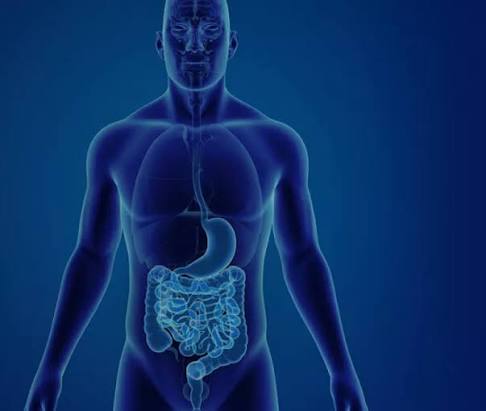
Today, digestive disorders treatment India includes comprehensive gastroenterology consultations, modern diagnostic investigations, medication management, endoscopic procedures, and specialised surgical care. Hospitals with experienced medical teams can develop personalised treatment plans based on each patient’s condition, medical history, and health requirements.
Understanding Common Digestive Disorders
Digestive disorders affect different parts of the gastrointestinal system and may develop because of infections, inflammation, dietary factors, lifestyle habits, or other medical conditions. Common problems include acid reflux, gastritis, peptic ulcers, constipation, irritable bowel syndrome, inflammatory bowel disease, and food intolerances.
Symptoms may include bloating, heartburn, abdominal discomfort, nausea, diarrhoea, constipation, or changes in bowel habits. Persistent symptoms should be evaluated by a qualified healthcare professional rather than managed through repeated self-medication.
Diagnosis may involve a physical examination, blood tests, stool analysis, ultrasound, CT scans, endoscopy, or colonoscopy, depending on the suspected condition. Identifying the cause helps doctors recommend appropriate treatment and determine whether further investigations are necessary.
Advanced Gastrointestinal Surgery in India
Some digestive conditions require surgical intervention when medications or less invasive treatments are insufficient. These may include selected cases of gallbladder disease, gastrointestinal tumours, intestinal obstruction, hernias, and certain inflammatory or structural disorders.
A specialised gastrointestinal surgery hospital India provides surgical assessment and treatment for conditions affecting the digestive tract. Depending on the patient’s diagnosis, surgeons may recommend conventional surgery or minimally invasive techniques, including laparoscopic procedures.
Laparoscopic surgery uses small incisions and specialised instruments to perform selected operations. For suitable patients, this approach may offer benefits such as smaller wounds and a potentially shorter recovery period compared with some open procedures. However, the most appropriate surgical method depends on the condition, its complexity, and the patient’s overall health.
Before surgery, the medical team evaluates diagnostic findings, explains the available treatment options, and discusses potential benefits, risks, and recovery expectations. Postoperative monitoring, nutritional guidance, and follow-up consultations can support recovery.
Role of a Gastroenterologist in India
A gastroenterologist India specialist diagnoses and manages diseases affecting the digestive system. Gastroenterologists treat conditions involving the oesophagus, stomach, small intestine, large intestine, liver, pancreas, and biliary system.
Depending on the patient’s symptoms, treatment may include prescribed medication, dietary recommendations, lifestyle modifications, or specialised endoscopic procedures. Endoscopy and colonoscopy allow doctors to examine parts of the digestive tract and investigate symptoms such as persistent pain, unexplained bleeding, or changes in bowel habits.
Gastroenterologists may also work with gastrointestinal surgeons, hepatologists, radiologists, and nutrition professionals to coordinate care for complex conditions. This multidisciplinary approach helps ensure that investigations and treatment decisions reflect the patient’s individual needs.
Importance of Diet and Preventive Care
Healthy habits can support digestive health and complement medical treatment. Eating a balanced diet with appropriate fibre, drinking sufficient water, maintaining regular physical activity, and practising safe food handling may help reduce certain digestive problems.
Patients should follow dietary recommendations suited to their specific condition because nutritional needs vary. Limiting foods that trigger symptoms may help some individuals, while others may require specialised nutritional support under professional guidance.
Routine medical evaluation is particularly important for persistent symptoms, unexplained weight loss, or ongoing digestive discomfort. Severe abdominal pain, vomiting blood, black stools, or significant gastrointestinal bleeding requires urgent medical attention.
Choosing the Right Gastroenterology Hospital
When selecting a hospital, patients should consider specialist qualifications, diagnostic facilities, endoscopy services, surgical expertise, infection-control standards, and follow-up care. Clear communication about treatment options, costs, possible complications, and expected recovery can help patients make informed healthcare decisions.
Conclusion
India offers a wide range of gastroenterology services for diagnosing and managing digestive disorders. From medical treatment and endoscopic investigations to advanced gastrointestinal surgery, specialised hospitals can provide care tailored to different patient needs.
Timely diagnosis, appropriate treatment, healthy lifestyle choices, and regular follow-up can contribute to better digestive health and long-term well-being. Consulting a qualified specialist is an important step towards understanding symptoms and choosing a suitable treatment plan.

