Introduction to Radiation Oncology
Cancer treatment requires accurate diagnosis, specialized medical expertise, and a personalized approach to care. Among the available treatment options, radiation therapy plays an important role in managing many types of cancer. It uses carefully controlled doses of radiation to damage cancer cells, reduce tumor size, and help control disease progression. Depending on the diagnosis, radiation therapy may be used independently or combined with surgery, chemotherapy, immunotherapy, or other treatments.
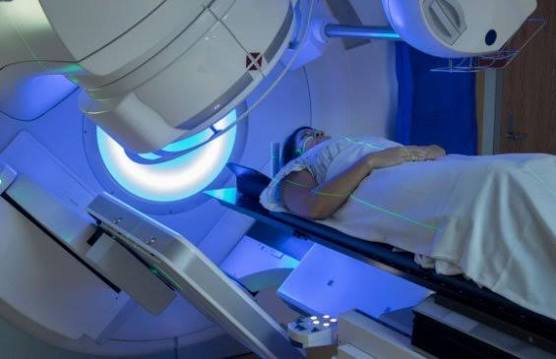
India offers a growing range of specialized cancer care facilities equipped with modern diagnostic technologies and radiation treatment services. Understanding the role of radiation oncology can help patients make informed decisions about their treatment journey.
Understanding the Role of a Radiation Oncologist
A radiation oncologist is a medical specialist trained to treat cancer using radiation therapy. The specialist evaluates the patient’s diagnosis, reviews imaging and pathology reports, and determines whether radiation therapy is appropriate for the condition.
Patients consulting a radiation oncologist India can discuss their cancer type, treatment goals, expected benefits, and potential side effects. The doctor develops an individualized treatment plan based on tumor location, cancer stage, overall health, and whether other treatments are required.
Radiation oncologists also collaborate with medical oncologists, surgical oncologists, radiologists, medical physicists, and radiation therapists. This coordinated approach supports careful treatment planning and helps ensure that radiation is delivered according to the prescribed schedule.
Why Choose a Specialized Radiotherapy Hospital?
Selecting an appropriate hospital is an important step in receiving comprehensive cancer care. A specialized facility may offer radiation oncology consultations, diagnostic imaging, treatment planning systems, and equipment designed to deliver radiation accurately.
When evaluating a radiotherapy hospital India patients can access, it is helpful to consider the qualifications of the oncology team, available treatment technologies, supportive care services, and coordination with other cancer specialists.
Hospitals with multidisciplinary teams can assess whether radiation therapy should be given before surgery, after an operation, alongside selected systemic treatments, or as the primary treatment. The most appropriate approach depends on the individual diagnosis and established clinical recommendations.
Types of Radiation Therapy Available
Modern cancer care includes several radiation therapy techniques. The choice depends on the cancer type, tumor size, location, and treatment objectives.
External beam radiation therapy uses a machine outside the body to direct radiation toward the treatment area. Advanced methods, including intensity-modulated radiation therapy and image-guided radiation therapy, help shape and position treatment more precisely.
Stereotactic radiation therapy delivers highly focused radiation to selected tumors in carefully planned doses. It may be suitable for certain cancers involving the brain, lungs, liver, or other areas.
Brachytherapy involves placing a radioactive source inside or close to the tumor. This technique is used for selected cancers, including certain cervical and prostate cancers.
Not every technique is suitable for every patient. The radiation oncology team recommends treatment according to medical evidence and individual clinical needs.
Benefits of Personalized Radiation Treatment
Radiation therapy can serve different purposes throughout cancer treatment. It may help shrink tumors before surgery, destroy remaining cancer cells after surgery, or control certain cancers without an operation. In advanced cancer, it may also relieve symptoms such as pain, bleeding, or pressure caused by tumors.
Treatment planning aims to target cancer cells while limiting radiation exposure to nearby healthy tissues. The number of sessions varies according to the prescribed dose, cancer type, and selected technique.
Patients should discuss the expected treatment duration, potential outcomes, and alternative options with their healthcare team before starting therapy.
Managing Side Effects During Radiotherapy
Radiation therapy side effects depend on the treated area, dose, and individual health. Some patients experience fatigue, skin irritation, or symptoms involving the treated organ. Many side effects can be managed with appropriate medical guidance and supportive care.
Patients should follow their treatment team’s instructions regarding skin care, nutrition, hydration, and rest. Reporting new or worsening symptoms promptly helps doctors assess complications and recommend suitable management.
How to Select the Right Cancer Hospital
Before choosing a hospital, review its radiation oncology expertise, treatment equipment, diagnostic services, and access to other cancer specialists. Patients should also ask about estimated costs, insurance coverage, treatment schedules, and follow-up arrangements.
Clear communication and personalized support can make the treatment experience easier for patients and their families.
Conclusion
Radiation oncology is an important part of modern cancer management. Consulting a qualified specialist and selecting a suitable radiotherapy facility can help patients understand available treatments and make informed healthcare decisions. With individualized planning, appropriate monitoring, and supportive care, radiation therapy can contribute to cancer control and symptom management when clinically indicated.

