Badminton is a fast-paced sport that demands agility, speed, and quick direction changes. Because of this, the playing surface plays a major role in ensuring player safety and performance. Choosing the right badminton flooring is essential for creating a professional-quality court that offers durability, comfort, and excellent grip. Modern sports facilities, schools, and clubs are increasingly investing in advanced court surfaces to enhance the overall playing experience.
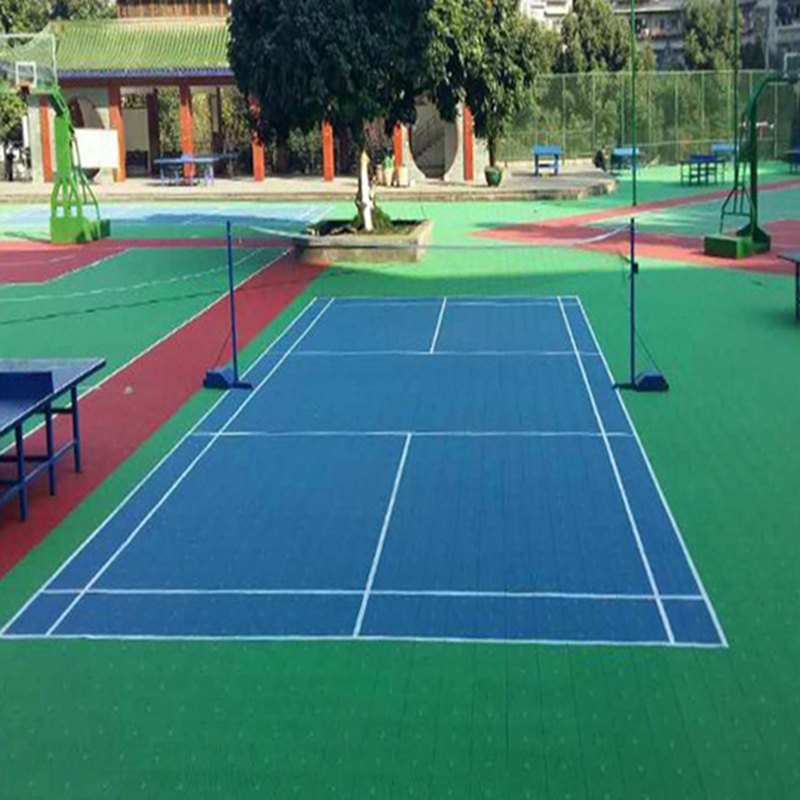
Importance of Proper Badminton Flooring
A good badminton court surface provides the perfect balance between grip and smooth movement. Players frequently jump, lunge, and slide while playing, which means the flooring must offer proper traction and shock absorption. High-quality badminton flooring helps reduce the risk of injuries such as ankle sprains, knee strain, and muscle fatigue.
Another advantage of proper flooring is consistent gameplay. When the surface is even and well-designed, players can move quickly without worrying about slipping or losing balance. This improves performance and allows athletes to focus entirely on the game.
Sports academies and professional training centers also prefer specialized flooring because it meets international standards. These surfaces are designed to maintain their quality for many years, even with heavy usage.
What Is a Synthetic Badminton Court?
A synthetic badminton court is a modern sports surface made using artificial materials designed specifically for badminton gameplay. These courts are widely used in indoor stadiums, sports complexes, and training academies because of their durability and performance benefits.
Synthetic courts are usually made from PVC, vinyl, acrylic, or rubber-based materials. These materials are layered over a strong base such as concrete or wood to create a smooth and safe playing surface. Unlike traditional courts, synthetic surfaces provide better cushioning and shock absorption, which protects players from injuries.
One of the biggest advantages of synthetic courts is their low maintenance requirement. They are easy to clean, resistant to moisture, and can handle frequent use without significant wear and tear. This makes them an ideal choice for schools, clubs, and professional sports venues.
Types of Badminton Court Surfaces
There are several types of badminton court surfaces available, each with its own advantages.
PVC Vinyl Flooring
PVC vinyl flooring is one of the most commonly used materials in modern badminton courts. It offers excellent grip, elasticity, and comfort for players. This flooring is also highly durable and resistant to damage from heavy foot traffic.
Wooden Flooring
Wooden badminton courts are traditionally used in international tournaments and professional arenas. Maple wood is commonly used because of its natural flexibility and smooth finish. Wooden surfaces provide excellent bounce and movement but require regular maintenance.
Acrylic Synthetic Flooring
Acrylic surfaces are popular for multipurpose sports courts. They are weather-resistant and suitable for both indoor and outdoor use. Acrylic flooring also allows courts to be customized with different colors and markings.
Rubber-Based Flooring
Rubber sports flooring provides excellent shock absorption and is commonly used in training facilities. It helps reduce the impact on joints and muscles during intense practice sessions.
Benefits of Synthetic Badminton Courts
Modern synthetic courts provide several advantages compared to traditional surfaces.
Improved Safety: These courts include cushioning layers that absorb impact and protect players from injuries.
Long-Lasting Durability: Synthetic materials are designed to withstand years of heavy use without losing their performance.
Easy Maintenance: Cleaning and maintaining synthetic courts requires minimal effort compared to wooden courts.
Consistent Playing Surface: The surface remains even and smooth, ensuring fair gameplay and accurate player movement.
Cost-Effective Solution: While the initial installation cost may be higher, synthetic courts require less maintenance over time, making them a cost-effective choice.
Factors to Consider Before Installing a Court
When planning to build a badminton court, several factors should be considered. The size of the playing area, budget, indoor or outdoor location, and expected usage all influence the choice of materials and flooring type.
Proper lighting, ventilation, and drainage systems should also be included in the court design to create a comfortable playing environment. Additionally, hiring professional installers ensures the court meets official standards and performs well for many years.
Conclusion
Badminton courts require carefully selected materials and surfaces to support the dynamic nature of the sport. Investing in high-quality flooring and modern synthetic court systems ensures better player safety, improved performance, and long-term durability. Whether for a school, sports academy, or recreational club, choosing the right court surface helps create an ideal environment for training and competitive play.

