Introduction
Skin cancer is one of the most common types of cancer worldwide, affecting millions of people each year. The good news is that it is highly treatable when detected early. Understanding Skin Cancer symptoms can help you identify unusual skin changes and seek medical attention before the condition becomes more advanced. Skin cancer develops when skin cells are damaged, most commonly by ultraviolet (UV) radiation from the sun or tanning beds. While excessive sun exposure is the leading cause, genetics, weakened immunity, and certain environmental factors can also increase the risk. Learning the warning signs and practicing preventive care can greatly improve your chances of maintaining healthy skin.
What Is Skin Cancer?
Skin cancer occurs when abnormal cells in the skin grow uncontrollably. It usually develops in areas frequently exposed to sunlight, including the face, scalp, neck, ears, shoulders, arms, and legs. The three primary types of skin cancer are basal cell carcinoma, squamous cell carcinoma, and melanoma. Basal cell carcinoma is the most common and tends to grow slowly. Squamous cell carcinoma may spread if left untreated, while melanoma is the most aggressive form and requires immediate medical attention. Early diagnosis remains the key to successful treatment.
Common Symptoms You Should Watch For
One of the earliest indications of skin cancer is a noticeable change in the appearance of your skin. A new mole, an existing mole that changes in shape or color, or a sore that refuses to heal may all be signs of concern. These are among the most important Early Symptoms of Skin Cancer that should never be ignored. Other warning signs include rough or scaly patches, shiny bumps, persistent itching, bleeding, crusting, or skin lesions that continue to enlarge over time. Even if these changes are painless, they should be examined by a dermatologist.
The ABCDE Rule for Detecting Melanoma
The ABCDE rule is a simple guideline that helps identify suspicious moles.
- A – Asymmetry: One side of the mole does not match the other.
- B – Border: The edges are irregular, uneven, or poorly defined.
- C – Color: Different shades of brown, black, red, white, or blue appear within the same mole.
- D – Diameter: The mole is larger than 6 millimeters, although smaller lesions can also be dangerous.
- E – Evolving: The mole changes in size, shape, color, or texture over time.
If you notice any of these characteristics, arrange a medical evaluation promptly.
Who Is at Higher Risk?
Several factors can increase the likelihood of developing skin cancer. These include frequent sunburns, prolonged UV exposure, indoor tanning, fair skin, light-colored eyes, numerous moles, increasing age, and a family history of skin cancer. People with weakened immune systems are also more vulnerable. However, skin cancer can affect anyone regardless of skin color, making regular skin examinations important for everyone.
Diagnosis and Treatment Options
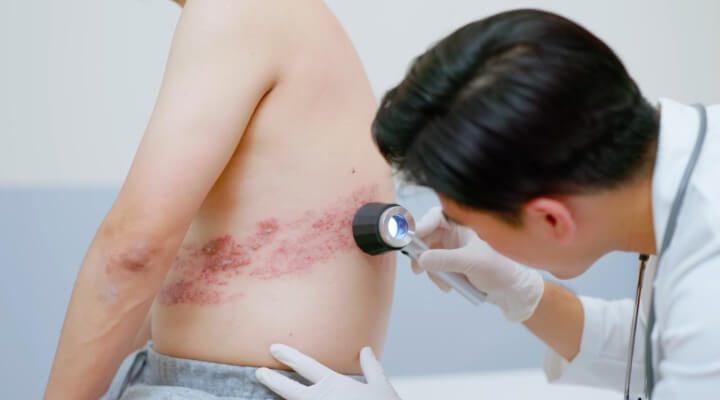
A dermatologist usually diagnoses skin cancer through a physical skin examination followed by a biopsy if necessary. Treatment depends on the type, size, and stage of the cancer. Common treatment methods include surgical removal, cryotherapy, topical medications, radiation therapy, immunotherapy, and targeted therapy. Modern medical advances have greatly improved treatment outcomes, especially when cancer is detected in its earliest stages.
Preventing Skin Cancer
Simple lifestyle habits can significantly reduce your risk of skin cancer.
- Apply broad-spectrum sunscreen with SPF 30 or higher every day.
- Wear protective clothing, sunglasses, and wide-brimmed hats.
- Avoid prolonged sun exposure during peak UV hours.
- Stay away from tanning beds.
- Perform monthly skin self-examinations.
- Visit a dermatologist regularly if you notice unusual skin changes or have a higher risk.
Consistent sun protection and early detection are the most effective ways to prevent serious complications.
Conclusion
Recognizing Skin Cancer symptoms is essential for protecting your long-term health. Unusual moles, non-healing sores, persistent skin irritation, or changing lesions should always be evaluated by a healthcare professional. Early diagnosis offers the best chance of successful treatment while reducing the risk of complications. By adopting healthy sun-protection habits and monitoring your skin regularly, you can lower your risk of skin cancer and maintain healthier skin throughout your life.

